07 November 2023

Faith, Hope, and Joy


In the world of Christian theology, there are few virtues as fundamental and enduring as faith, hope, and joy. These three virtues form the bedrock of the Christian life, serving as a source of inspiration, strength, and comfort for millions of believers around the world. Faith, hope, and joy are not only central to Christian doctrine but are also deeply interwoven into the fabric of human experience. In this article, we will explore the significance and relevance of these virtues in the Christian tradition.

Faith: The Foundation of Christian Life

Faith, as defined in the Bible, is "the assurance of things hoped for, the conviction of things not seen" (Hebrews 11:1). It is the belief in God, His promises, and His teachings without the need for physical evidence. Faith is the cornerstone of Christian life and is exemplified in the trust and reliance that believers place in God.

Faith is not just a passive belief but an active force that shapes one's character and actions. It is through faith that Christians find salvation, strength to overcome trials, and the ability to live in obedience to God's commands. By trusting in God's love, mercy, and grace, Christians find meaning and purpose in life, even in the face of adversity.

Hope: The Anchor of the Soul

Hope is another essential Christian virtue, closely linked to faith. It provides Christians with a confident expectation of God's promises and a vision of a better future. Hope is the anchor of the soul, offering stability and endurance in times of trouble. As the Apostle Paul wrote in Romans 15:13, "May the God of hope fill you with all joy and peace as you trust in him so that you may overflow with hope by the power of the Holy Spirit."

Christian hope is not wishful thinking but a firm belief that God is faithful and that His plans for the future are good. It allows believers to face life's challenges with optimism, knowing that, ultimately, God's purposes will prevail. This hope sustains Christians in times of suffering and provides a strong motivation to live a life that reflects God's love and grace.

Joy: The Fruit of the Spirit

Christian joy is distinct from fleeting happiness based on circumstances; it is a deep and abiding sense of well-being that flows from a relationship with God. The Apostle Paul encouraged believers to "rejoice in the Lord always" (Philippians 4:4), emphasizing that joy is not conditional on external factors but is a result of one's relationship with Christ.

Joy is considered one of the fruits of the Holy Spirit, as mentioned in Galatians 5:22-23. It is a source of strength, a witness to others, and a manifestation of the Christian life. This joy is not oblivious to the challenges and sorrows of life but transcends them, reflecting a profound trust in God's providence.

The Interplay of Faith, Hope, and Joy

The Christian virtues of faith, hope, and joy are intimately connected and work in harmony to shape the believer's life. Faith provides the foundation upon which hope is built, and hope, in turn, sustains the believer's joy.

Faith, as the starting point, establishes a relationship with God and trust in His promises. This trust engenders hope, which is the source of confidence and optimism. And, from hope, flows joy, the manifestation of a heart content in God's love and faithfulness.

Faith, hope, and joy are not just abstract concepts in the Christian tradition; they are living virtues that provide meaning and purpose to believers. Faith anchors Christians in their relationship with God, hope gives them confidence in God's promises, and joy is the fruit of a life lived in faith and hope. These virtues are not just theological principles; they are the wellspring of a rich and fulfilling Christian life. Embracing and cultivating these virtues can lead to a deep and lasting sense of purpose and fulfillment in the Christian journey.

06 November 2023

Civility vs Politeness


    In today's society, we often equate civility with politeness, assuming that a well-mannered exterior is the pinnacle of moral and ethical behavior. However, a closer examination of the life and teachings of Jesus reveals a stark contrast between these two concepts. While Jesus undoubtedly embodied civility, his actions and words were not always polite in the conventional sense. This distinction sheds light on the profound wisdom that can be drawn from his approach to human interaction.

    Jesus' civility, rooted in compassion and a genuine concern for the well-being of others, often led him to engage in conversations that were far from polite. He fearlessly confronted the religious authorities of his time, challenging their hypocrisy and injustice. In the Gospel of Matthew, he called the Pharisees "whitewashed tombs" and "a brood of vipers," highlighting their duplicity and lack of true faith. Such words, though undoubtedly blunt, were spoken out of a deep love for the people who had been misled by these leaders.

    This facet of Jesus' civility teaches us that speaking the truth, even when it is uncomfortable or challenges the status quo, is an act of love and compassion. It reminds us that genuine civility involves addressing injustice and falsehood, even if it ruffles feathers and contradicts conventional norms of politeness.

    Politeness often involves avoiding conflict and confrontation at the expense of truth. In contrast, Jesus' civil approach prioritized truth and justice, even when it meant challenging established norms and enduring the discomfort of conflict. The Gospels are filled with examples of Jesus engaging in difficult conversations and debates to reveal deeper spiritual truths.

    When Jesus overturned the tables of moneychangers in the temple, he demonstrated his willingness to disrupt the status quo in the name of justice and righteousness. Politeness would have dictated a more subdued approach, but Jesus' civil action was a powerful reminder that civility, rooted in love, often requires disruptive action for the greater good.

        Another aspect of Jesus' civility was his unswerving commitment to the marginalized and oppressed. He dined with tax collectors and sinners, touched the untouchable, and defended the woman caught in adultery when the religious leaders sought to condemn her. In doing so, Jesus often ran counter to societal norms and politeness conventions.

    Jesus' actions exemplify that true civility involves caring for those whom society has rejected and stigmatized. It necessitates challenging the prejudices and biases of one's time and advocating for the dignity and worth of every individual. In this, Jesus teaches us that civility is more about actively extending kindness and compassion to others rather than adhering to a superficial code of politeness.

    In a world where the boundaries between civility and politeness can often become blurred, Jesus' example serves as a guide for a more profound understanding of what it means to be truly civil. His words and actions were driven by a deep sense of love, truth, and justice. While they may not have always adhered to the niceties of politeness, they exemplified a genuine and compassionate civility.

    Embracing the teachings of Jesus reminds us that civility is not merely a matter of surface-level pleasantries, but a deep-seated commitment to love, justice, and compassion. It challenges us to confront injustice, reach out to the marginalized, and speak the truth, even when it disrupts the prevailing norms of politeness. In doing so, we follow in the footsteps of the One who was truly civil, not just polite.

05 November 2023

Understanding Jesus' Declaration: "None Are Good, No, Not One"


    The words of Jesus in the Bible are profound and often leave us pondering their meanings. One such statement, found in the New Testament, is Jesus' declaration that "none are good, no, not one." These words can be challenging to understand, but they offer a valuable insight into the Christian perspective on human nature and the need for redemption. In this sermon, we will delve into the context and meaning of this statement and explore why Jesus said it.

    The quote, "none are good, no, not one," can be found in the Gospel of Mark (Mark 10:18) and the Gospel of Luke (Luke 18:19). In both instances, Jesus uses these words during conversations with individuals who approach Him with questions about eternal life and righteousness. His purpose is to provoke reflection on the human condition and the nature of goodness.

    In the encounter with the rich young ruler (Mark 10:17-22), the young man asked Jesus, "Good Teacher, what must I do to inherit eternal life?" To which Jesus responded, "Why do you call me good? No one is good except God alone." Jesus wanted to emphasize that only God is inherently and perfectly good, highlighting the divine nature of goodness.

    In Luke's account, a certain ruler asked Jesus, "Good Teacher, what must I do to inherit eternal life?" Again, Jesus responded, "No one is good except God alone" (Luke 18:18-19). In this context, Jesus was stressing the same message: human goodness is relative and imperfect when compared to the absolute goodness of God.

    To fully understand Jesus' statement, we need to recognize the biblical view of human nature. According to Christian theology, human beings are inherently flawed and fallen due to the original sin of Adam and Eve. This fallen state has marred human goodness, making it imperfect and subject to sin.

    In Romans 3:10-12, the Apostle Paul echoes a similar sentiment: "As it is written: 'There is no one righteous, not even one; there is no one who understands; there is no one who seeks God. All have turned away, they have together become worthless; there is no one who does good, not even one." Paul emphasizes the universality of human sinfulness and the need for salvation through faith in Christ.

    While Jesus' statement may seem disheartening, it is essential to remember that the Christian faith offers hope and redemption. The very reason Jesus came into the world was to provide a path to reconciliation with God. In His sacrificial death and resurrection, Jesus provided the means for humanity to be made righteous in God's sight.

    Through faith in Christ, believers are justified and counted as righteous, even though they are not inherently good. The apostle Paul writes in Romans 3:22-24, "This righteousness is given through faith in Jesus Christ to all who believe... and all are justified freely by His grace through the redemption that came by Christ Jesus." This is the essence of the Christian gospel: that even though none are good by their own merit, God offers the gift of righteousness through faith in Christ.

    Jesus' declaration that "none are good, no, not one" serves as a reminder of the imperfection of human goodness when compared to the absolute goodness of God. It underscores the need for redemption and salvation, which is found through faith in Jesus Christ. While recognizing our fallen state may be humbling, it also points to the incredible grace and love of God, who offers us a way to be reconciled with Him despite our inherent imperfection. As Anglicans, we are called to embrace this message of hope and share the good news of salvation with the world.

Jesus Cleansing the Temple: A Powerful Act of Righteousness and Reform


    The story of Jesus cleansing the temple is a pivotal moment in the life and ministry of Jesus Christ. This event, recorded in all four Gospels (Matthew 21:12-17, Mark 11:15-19, Luke 19:45-48, and John 2:13-22), holds profound significance in the Christian faith. It reveals the depth of Jesus' commitment to righteousness, justice, and the true purpose of the temple. In this article, we will delve into the historical and theological aspects of this event, shedding light on its enduring relevance.

    The temple in Jerusalem was the heart of Jewish religious life during Jesus' time. It was not just a place of worship but also a hub for various activities, including sacrifices, trade, and money exchange. The temple had become a central institution, managed by priests and religious leaders, often overshadowed by financial interests. This led to a divergence from the temple's original purpose: a house of prayer and a place for encountering God's presence.

    As Jesus entered the temple, he encountered a scene that deeply troubled him. Money changers and merchants had turned the temple into a bustling marketplace, profiting from pilgrims who had come to offer sacrifices. The sacredness of the temple was being compromised. In a passionate and symbolic act of righteousness, Jesus took action. He overturned the tables of the money changers, scattered their coins, and drove out those who were selling animals for sacrifice, proclaiming, "My house will be called a house of prayer, but you are making it a den of robbers" (Matthew 21:13, NIV).

    The cleansing of the temple was not a random outburst of anger; it was a carefully considered act that conveyed profound theological and moral messages.

1. A House of Prayer: Jesus emphasized the temple's primary purpose – to be a house of prayer where people could connect with God. His actions aimed to restore the temple's sanctity and emphasize the importance of spiritual communion over financial gain.

2. A Den of Robbers: By using this phrase, Jesus accused the religious leaders of exploiting the people. He criticized their greed and lack of compassion for the poor and marginalized, highlighting the need for justice and righteousness in the worship of God.

3. A Call for Reform: The cleansing of the temple was a call for reform within the religious establishment. Jesus challenged the corrupt practices that had infiltrated the temple and the religious leadership's authority. His actions were a demand for change and a return to the core values of faith.

    The cleansing of the temple holds significant theological implications for Christians:

1. Emphasis on the Inner Life: Just as Jesus valued the inner disposition of the temple over its external activities, Christians are reminded to focus on their inner relationship with God and not become preoccupied with religious rituals or material gain.

2. Advocacy for Justice: Jesus' denouncement of exploitation and corruption serves as a reminder that true faith is linked with acts of justice and compassion, particularly towards the marginalized and oppressed.

3. Reform and Renewal: The temple cleansing underscores the importance of reform and renewal within religious institutions. Stagnation and a focus on tradition over substance can lead to a drift away from the core values of faith.

    The story of Jesus cleansing the temple is a powerful illustration of his commitment to righteousness, justice, and the true purpose of religious institutions. It encourages believers to seek genuine spiritual connection with God, advocate for justice, and promote reform when necessary. This event continues to inspire Christians to strive for a deeper, more authentic faith, mirroring the principles of Jesus' ministry and teachings.

Humble Service and True Greatness (Sermon)


Good morning, dear brothers and sisters in Christ. Today, we gather to reflect upon a passage from the Gospel of Matthew, Chapter 23, verses 1-12. This text reminds us of the profound lessons that Jesus imparts to us regarding humility, true greatness, and the nature of leadership within the Kingdom of God.

Let us begin with a moment of prayer.

Gracious Lord, as we delve into Your Word today, open our hearts and minds to receive Your wisdom. Help us to understand the profound message of humility and true greatness that Jesus teaches us. May Your Spirit guide us and transform our lives so that we may be true disciples, serving others with humility and love. In Your precious name, we pray. Amen.

In Matthew 23, we find Jesus addressing the crowd and His disciples. He takes this moment to speak about the religious leaders of His time—the Pharisees and the scribes. These individuals held positions of authority and influence, and many looked up to them as spiritual guides. However, Jesus' message is a stark warning against empty piety and self-righteousness.

Let's first reflect on the criticism that Jesus levels against the Pharisees. He accuses them of being hypocrites, emphasizing that they do not practice what they preach. They love to be seen and praised for their piety, but their hearts are far from God's will. They impose heavy burdens on others but do not lift a finger to help. This is a powerful reminder for us all to examine our own lives and intentions. Are we living authentically, or are we merely seeking praise and recognition?

Jesus then turns the discussion towards the true nature of leadership in the Kingdom of God. He tells His disciples not to be called "Rabbi," "Teacher," or "Father," because there is only one Teacher and Father in heaven. The message is clear: In God's Kingdom, true leadership is marked by humility and service rather than titles and positions. We are called to be servants of one another, just as Christ came not to be served but to serve.

Jesus continues His teaching by emphasizing that the greatest among us will be the one who humbles themselves. He says, "Whoever exalts themselves will be humbled, and whoever humbles themselves will be exalted." The world often measures greatness by power, wealth, and influence, but in the Kingdom of God, greatness is defined by a willingness to serve and a heart of humility.

As we reflect on this passage, we must ask ourselves some critical questions. Are we more concerned with our titles and recognition than with serving others? Are we willing to be humbled in order to exalt Christ's name and not our own? In a world that often promotes self-promotion and pride, we are called to stand apart as Christ's followers, marked by our humility, love, and service to others.

In conclusion, the words of Jesus in Matthew 23:1-12 remind us that true greatness is found in humble service. We are called to be different from the world's standards of leadership, where titles and positions reign supreme. Instead, we are called to follow Christ's example of selflessness and humility. As we go forth from this reflection, may we commit ourselves to serving one another with the love and humility that Christ demonstrated. In doing so, we will find true greatness in the eyes of our Lord.

Let us take a moment for silent reflection and personal prayer.

Dear Heavenly Father, we thank you for the teachings of your Son, Jesus Christ. Help us to live out His message of humility and service in our daily lives. May we seek true greatness not in titles or recognition but in selfless love and devotion to others. In Jesus' name, we pray. Amen.

May God bless you and guide you in your journey of faith and humble service.

04 November 2023

The Alarming Rise of Christian Persecution in India


India, a country known for its rich cultural diversity and pluralistic ethos, is facing an alarming increase in incidents of Christian persecution. While the nation's constitution guarantees freedom of religion, a growing number of reports suggest that religious minorities, including Christians, are increasingly targeted, discriminated against, and even subjected to violence. This article delves into the critical issue of Christian persecution in India, examining the causes, consequences, and potential solutions to address this concerning trend.

A Troubling Trend

Christian persecution in India has been on the rise for several years, affecting both indigenous and foreign Christian communities. The reasons behind this troubling trend are complex and multifaceted. They include religious intolerance, extremist ideologies, and a rise in Hindu nationalism, which often promotes a vision of India as a Hindu-only nation. These factors have contributed to the marginalization of religious minorities, with Christians being one of the primary targets.

1. Violent Attacks: Christian communities in India have been subjected to violent attacks, with incidents of churches being vandalized, pastors being assaulted, and congregants being physically harmed. These attacks have created a climate of fear and intimidation among Christians, preventing them from practicing their faith freely.

2. Anti-Conversion Laws: Some states in India have enacted anti-conversion laws that make it difficult for individuals to convert to Christianity or any other religion. These laws are often used to harass and intimidate Christian missionaries and organizations.

3. Discrimination: Christians have reported discrimination in various aspects of life, including education, employment, and access to public services. Such discrimination has not only a detrimental impact on the daily lives of Christians but also affects their economic and social opportunities.

4. Social Exclusion: Christian converts often face social exclusion and ostracism from their communities, especially in rural areas. This isolation can lead to psychological and emotional distress, making it difficult for individuals to integrate into mainstream society.

Consequences of Persecution

The consequences of Christian persecution in India are far-reaching and have a profound impact on the affected communities, as well as the nation as a whole.

1. Erosion of Secular Values: India's constitution enshrines secularism as a fundamental principle. The rise of Christian persecution undermines this secular identity, as it directly contradicts the principles of religious freedom and tolerance.

2. Damage to India's International Image: India's increasing instances of religious persecution draw international attention and have a detrimental effect on the nation's image on the global stage. This can harm India's diplomatic and economic relations with other countries.

3. Hindrance to Social Progress: Persecution hinders the social progress and development of the affected communities. Discrimination, violence, and marginalization can lead to economic hardship, reduced access to education, and limited opportunities for social advancement.

Addressing the Issue

To address the critical issue of Christian persecution in India, several steps can be taken:

1. Legal Reforms: The Indian government should review and amend or repeal anti-conversion laws that are being misused to harass and intimidate religious minorities. These laws should be in line with international standards of religious freedom.

2. Public Awareness: Initiatives to raise public awareness about the importance of religious tolerance and the rights of religious minorities should be promoted. This can be done through educational programs, public campaigns, and community engagement.

3. Interfaith Dialogue: Encouraging interfaith dialogue and cooperation can help foster understanding and harmony among different religious communities. Interfaith initiatives can play a vital role in mitigating religious tensions.

4. International Pressure: The international community should engage with the Indian government to express concerns about religious persecution and human rights violations. Diplomatic and economic pressure can be used to encourage positive change.

The alarming rise of Christian persecution in India is a serious concern that goes against the country's secular and pluralistic values. It is imperative for India to uphold the principles of religious freedom, tolerance, and diversity. Addressing this issue requires a collective effort from the government, civil society, and the international community to ensure that the rights and freedoms of all religious minorities, including Christians, are protected and respected.

The Cost of Discipleship: A Sword, A Cross, and True Life (sermon)


Today, we gather here to reflect on a passage from the Gospel of Matthew, specifically from chapter 10, verses 34 to 39. In these verses, Jesus speaks to us about the cost of discipleship, the profound and sometimes challenging journey of following Him. Let us turn our hearts and minds to these words of our Lord:

Matthew 10:34-39 (NIV)

34 “Do not suppose that I have come to bring peace to the earth. I did not come to bring peace, but a sword. 35 For I have come to turn “‘a man against his father, a daughter against her mother, a daughter-in-law against her mother-in-law— 36 a man’s enemies will be the members of his own household.’ 37 “Anyone who loves their father or mother more than me is not worthy of me; anyone who loves their son or daughter more than me is not worthy of me. 38 Whoever does not take up their cross and follow me is not worthy of me. 39 Whoever finds their life will lose it, and whoever loses their life for my sake will find it.

These verses are both comforting and challenging, and they serve as a powerful reminder of the sacrifice and commitment that come with being a true disciple of Jesus.

    A Sword, Not Peace: Jesus begins by saying, "Do not suppose that I have come to bring peace to the earth." This may seem paradoxical, for we often think of Jesus as the Prince of Peace. However, Jesus is not speaking of worldly peace but of the division that can arise when we choose to follow Him. The message of the gospel can be divisive, as it challenges the status quo and calls us to a higher standard of living.

    The Priority of Christ: Jesus reminds us of the priority we must place on Him above all else, even our closest relationships. He says, "Anyone who loves their father or mother more than me is not worthy of me; anyone who loves their son or daughter more than me is not worthy of me." Our love for Jesus should be so profound that it reorders our priorities. While we are called to love our family, our love for Christ should be the highest and central love in our lives.

    Taking Up the Cross: Jesus emphasizes the importance of taking up our cross and following Him. The cross was an instrument of suffering and death, and when Jesus speaks of it, He calls us to embrace the difficulties and trials that may come as we follow Him. Discipleship is not always easy; it requires sacrifice, self-denial, and a willingness to endure hardships for the sake of the gospel.

    Losing to Find: Finally, Jesus offers a profound paradox when He says, "Whoever finds their life will lose it, and whoever loses their life for my sake will find it." In other words, when we are willing to surrender our own desires and ambitions to follow Jesus, we discover a deeper, more meaningful, and eternal life. It is in losing ourselves in Christ that we truly find ourselves and the purpose for which we were created.

As we meditate on these verses, let us remember that being a disciple of Christ is not always a comfortable journey. It may lead to conflict, sacrifice, and even persecution. However, it is a journey that offers the greatest reward: eternal life with our Lord and Savior.

Let us be encouraged to embrace the cost of discipleship. Let us prioritize our love for Christ above all else, take up our cross, and be willing to lose our lives for His sake. By doing so, we will not only find true life in Christ but also become instruments of His peace, love, and grace in a world that desperately needs it.

May the Holy Spirit empower us to live out these words of Jesus and may we find the strength to walk the path of discipleship with joy, courage, and unwavering faith. Amen.

03 November 2023

The Importance of Prayer for Anglican Christians: Enhancing Your Spiritual Connection


Prayer is a fundamental and cherished practice in the Anglican Christian tradition. Rooted in a rich history of worship, prayer plays a central role in the lives of Anglican believers. It is a means of connecting with God, seeking guidance, expressing gratitude, and fostering a deeper relationship with the divine. In this article, we will explore the significance of prayer in the Anglican tradition and provide a list of tips to help you improve your prayer life.

The Importance of Prayer in Anglican Christianity

1. Communication with God: Prayer is often described as a conversation with God. For Anglican Christians, prayer is a way to establish a direct line of communication with the Creator. It allows believers to express their thoughts, feelings, and concerns, while also listening for divine guidance.

2. Worship and Adoration: Anglican prayer is a form of worship, and it offers a way for believers to express their love and adoration for God. Through prayer, Anglicans can offer praise and thanksgiving, recognizing God's goodness and faithfulness.

3. Spiritual Growth: Regular prayer is essential for personal spiritual growth. In the Anglican tradition, prayer is viewed as a means of cultivating a deeper relationship with God, deepening one's faith, and growing in holiness.

4. Community and Unity: Anglican worship often includes communal prayer, emphasizing the importance of prayer in fostering unity and a sense of belonging among believers. When Anglicans come together to pray, it strengthens the bonds of their faith community.

5. Seeking Guidance: Prayer is a way to seek God's guidance and wisdom in making important life decisions. Anglican Christians believe that God can provide insight and direction through prayer, helping them navigate life's challenges and choices.


Tips for Improving Your Prayer Life

1. Establish a Routine: Consistency is key to a strong prayer life. Set aside a specific time each day for prayer, whether it's in the morning, at night, or during breaks in your day.

2. Create a Sacred Space: Designate a quiet and comfortable place for prayer, free from distractions. Having a dedicated space can help you focus and connect more deeply with God.

3. Use a Prayer Book: Anglicans have a rich tradition of using prayer books like the Book of Common Prayer. These resources provide structured prayers and can guide your daily or weekly prayer routines.

4. Incorporate Various Forms of Prayer: In addition to structured prayers, try incorporating different forms of prayer, such as intercession, meditation, or contemplative prayer. This variety can add depth to your prayer life.

5. Keep a Prayer Journal: Maintaining a prayer journal can help you track your spiritual journey, document answered prayers, and reflect on your conversations with God.

6. Seek Guidance from a Spiritual Mentor: If you're struggling with your prayer life, consider seeking guidance from a spiritual mentor or clergy member who can offer insights, encouragement, and suggestions for improvement.

7. Pray for Others: Intercessory prayer, where you pray on behalf of others, is an essential part of Anglican tradition. Include requests for loved ones, your community, and the world in your prayer time.

8. Embrace Silence and Contemplation: Don't rush through your prayers. Take moments of silence to listen for God's response, and allow time for contemplation and reflection.

9. Be Patient and Persistent: Building a robust prayer life takes time and effort. Be patient with yourself and continue to seek God even when you encounter challenges or distractions.

10. Attend Worship Services: Participating in Anglican church services, which often include communal prayer, can provide a sense of connection and enhance your overall prayer experience.


Prayer is an indispensable aspect of Anglican Christianity, offering a means of communication with God, worship, spiritual growth, community building, and guidance. By implementing the tips provided in this article, you can enhance your prayer life and deepen your connection with the divine. Remember that prayer is a personal and dynamic journey, so continue to seek God with patience and devotion.

The New Covenant


The New Covenant is a fundamental concept in Christian theology, and it is not unique to the Anglican tradition but is shared by all mainstream Christian denominations. In Anglicanism, as in other Christian traditions, the New Covenant refers to the new relationship between God and humanity through Jesus Christ. This covenant is seen as a continuation and fulfillment of the Old Covenant established in the Old Testament between God and the people of Israel.

From an Anglican perspective, the New Covenant has several key aspects:

1. Jesus Christ as the Mediator: Anglicans believe that Jesus Christ is the central figure in the New Covenant. He is seen as the Mediator between God and humanity, offering salvation and forgiveness of sins. Anglicans believe that through Jesus' life, death, and resurrection, humanity can have a restored and reconciled relationship with God.

2. Grace and Faith: Anglicans, like many other Christian denominations, emphasize the role of God's grace in the New Covenant. They believe that salvation is a gift from God that is received through faith in Jesus Christ. This faith is expressed through belief in Christ's teachings and trust in His redemptive work on the cross.

3. The Holy Eucharist: The Anglican tradition places a significant emphasis on the Holy Eucharist (Holy Communion or the Lord's Supper) as a central sacrament of the New Covenant. In the Eucharist, Anglicans believe that they partake of the body and blood of Christ symbolically, and it serves as a means of grace and a reenactment of the Last Supper.

4. Baptism: Baptism is another important sacrament in the Anglican tradition that signifies initiation into the New Covenant. Through baptism, individuals are incorporated into the body of Christ (the Church) and receive God's grace.

5. The Bible: Anglicans hold the Bible as a source of authority for understanding God's plan in the New Covenant. They read and interpret the Scriptures, including both the Old and New Testaments, to learn about God's promises, Christ's teachings, and the New Covenant's significance.

6. The Church: Anglicans believe that the Church, as the Body of Christ, plays a central role in mediating God's grace and sustaining the New Covenant community. The clergy, including bishops, priests, and deacons, have a special role in leading worship, administering sacraments, and providing pastoral care to the congregation.

It's important to note that while the concept of the New Covenant is shared across Christian denominations, there can be variations in emphasis and interpretation within Anglicanism and among different Christian traditions. The specifics of theology and liturgical practices may vary among Anglican churches worldwide, reflecting the diversity within the Anglican Communion.

02 November 2023

Finding Peace in the Storm


Psalm 46:10 (NIV) - "Be still, and know that I am God; I will be exalted among the nations, I will be exalted in the earth."


Life often presents us with storms - those times when everything seems chaotic, and we feel overwhelmed by the challenges, anxieties, and uncertainties that surround us. It's in these turbulent moments that we may find it difficult to hear God's voice or feel His presence. However, today's Scripture reminds us of a powerful truth: in the midst of the storm, we can find peace by being still and knowing that God is in control.

The psalmist's words in Psalm 46:10 call us to a place of stillness, not necessarily the absence of external commotion, but the quieting of our hearts. Even when circumstances around us are in turmoil, we can experience a profound inner stillness and rest by recognizing God's sovereignty. Here are a few key points to consider:

Trust in God's Sovereignty: When we acknowledge that God is in control, even in the fiercest of storms, it fosters trust. We remember that He is the creator and sustainer of the universe, and nothing is beyond His reach.

Embrace His Presence: Being still means taking the time to listen to God, to invite His presence into our lives. In the midst of chaos, we can pray, read the Bible, or simply sit in silence, knowing that He is near.

Let Go of Anxiety: It's human nature to worry in times of trouble, but we can find peace by surrendering our anxieties to God. Letting go doesn't mean we ignore our responsibilities, but it means we trust God to guide us through the storm.

Witness His Exaltation: The verse also reminds us that God will be exalted among the nations and in the earth. Ultimately, He will triumph over all difficulties and challenges. We can find peace in knowing that God's purposes will prevail.

In your busy day today, take a moment to be still. Quiet your heart and mind, and know that God is with you, even in the storm. Let His presence fill you with peace and assurance that He is in control. As you trust in His sovereignty, you'll find the strength to navigate the storms of life with unwavering faith.

The Heresy of Dispensationalism: Examining Its Doctrines and Implications


    Dispensationalism is a theological framework that has gained popularity within certain segments of evangelical Christianity, particularly in the United States. While it has fervent proponents, it also has its share of critics who consider it to be a theological heresy. In this article, we will explore the fundamental doctrines of dispensationalism and examine the reasons why some theologians and scholars argue that it constitutes heresy within the Christian faith.

    Dispensationalism is a theological system that divides human history into distinct dispensations, or periods, during which God interacts with humanity in different ways. This concept of dispensations is a central element of the dispensationalist framework, and it is often associated with the following key doctrines:

1. Pre-Tribulation Rapture: One of the most well-known aspects of dispensationalism is the belief in a pre-tribulation rapture. This doctrine posits that believers will be taken up to meet Christ in the air before a period of great tribulation and judgment on Earth.

2. Distinct Israel and the Church: Dispensationalism teaches that God has different plans and destinies for Israel and the Church. The Church is seen as a separate entity from Israel, and some dispensationalists argue that God's promises to Israel have not been transferred to the Church.

3. A Literal Interpretation of Scripture: Dispensationalists typically emphasize a literal interpretation of biblical texts, especially regarding the fulfillment of Old Testament prophecies and the future restoration of Israel.

4. A Focus on Prophecy: Dispensationalism places a strong emphasis on biblical prophecy, particularly regarding the end times, the return of Christ, and the establishment of a literal thousand-year reign on Earth.

Critiques of Dispensationalism

Despite its popularity, dispensationalism has been met with substantial criticism from various theologians and scholars, who consider it to be heretical or, at the very least, a distortion of biblical doctrine. Some of the primary concerns raised by critics include:

1. Novelty: Dispensationalism is a relatively recent development in Christian theology, originating in the 19th century. Critics argue that it lacks historical continuity with traditional Christian beliefs and is, therefore, a novel interpretation.

2. Division of Scripture: Dispensationalism's division of God's plan into distinct periods can lead to a fragmented view of Scripture. Critics contend that it compartmentalizes the Bible rather than recognizing its overarching narrative and message.

3. Contradiction with Historic Christian Creeds: Many of the key doctrines of dispensationalism, such as the pre-tribulation rapture and the distinction between Israel and the Church, are not found in historic Christian creeds or teachings. Critics argue that these doctrines undermine the unity and orthodoxy of the Christian faith.

4. Dual Covenant Theology: Some forms of dispensationalism can be seen as advocating a form of dual covenant theology, suggesting that Jewish people can be saved by keeping the Mosaic covenant, which is at odds with the New Testament's teachings on salvation through faith in Christ.

5. An Overemphasis on the End Times: Critics argue that dispensationalism's fixation on end-time prophecy can lead to a neglect of other essential Christian teachings, such as ethics, discipleship, and the Gospel's proclamation.

    While dispensationalism has its proponents who passionately defend its doctrines, it is not without its share of critics within the Christian theological community. These critics argue that dispensationalism's novel interpretations, division of Scripture, and perceived contradictions with historic Christian creeds make it a theological heresy or, at the very least, a distortion of the Christian faith.

    It is essential for those interested in dispensationalism to engage in thoughtful dialogue and discernment, seeking a balanced and biblically sound perspective. Ultimately, the debate over the heresy of dispensationalism reflects the diversity and complexity of Christian theology and the ongoing quest for understanding and unity within the faith.

01 November 2023

Why the Parish matters


The parish is a fundamental and essential component of many religious traditions, and it plays a crucial role in the lives of believers and the broader community. Here are several reasons why the parish matters:

  • It is your Spiritual Home: The parish serves as a spiritual home for individuals and families. It is a place where people gather to worship, celebrate religious rituals, and grow in their faith. For many, the parish is the heart of their spiritual life.
  • Community and Fellowship: Parishes are not just places of worship but also centers of community and fellowship. They provide a supportive and nurturing environment where people can connect, build relationships, and find a sense of belonging. The parish community often becomes an extended family.
  • Moral and Ethical Guidance: Parishes offer moral and ethical guidance to their members. Religious leaders and fellow parishioners can provide advice and counsel on how to live a virtuous and purposeful life in accordance with the teachings of their faith.
  • Education and Formation: Parishes often offer educational programs, Sunday schools, and youth groups, which play a vital role in the spiritual formation of individuals, especially young people. These programs help pass down religious teachings and values from one generation to the next.
  • Worship and Rituals: The parish is where religious services, such as Mass in Catholicism, worship services in Protestant denominations, or religious ceremonies in other faiths, are conducted. These rituals are essential for maintaining a connection with one's faith and tradition.
  • Outreach and Charity: Many parishes are actively involved in outreach and charitable activities. They provide support to the less fortunate, whether through food drives, homeless shelters, or disaster relief efforts. These acts of service are a tangible expression of the parish's commitment to living out its religious values.
  • Local Connection: Parishes are rooted in their local communities. They are often involved in local affairs, offering a moral voice and support for community issues. This local connection helps bridge the gap between religious beliefs and the everyday lives of the parishioners.
  • Sense of Stability: In a rapidly changing world, the parish can provide a sense of stability and continuity. It often has a long history, and its traditions and rituals can provide a comforting and anchoring presence in the lives of its members.
  • Interfaith and Intercommunity Dialogue: Parishes are not isolated entities but can play a role in fostering interfaith and intercommunity dialogue. They can be spaces where people of different backgrounds come together to promote understanding, tolerance, and cooperation.
  • Source of Hope and Inspiration:** In times of personal crisis or societal challenges, the parish can serve as a source of hope and inspiration. It offers solace, encouragement, and a place to seek spiritual answers and guidance.

In summary, the parish is not just a place of worship; it is a vital institution that provides spiritual, communal, and societal benefits. It plays a central role in the lives of believers and contributes to the overall well-being of the communities it serves. Its significance goes beyond religious ceremonies, as it serves as a beacon of faith, support, and moral guidance.

Prioritizing Local Church Involvement: The Importance of Building Strong Communities


    In an interconnected world where news and information about global issues are readily accessible, it's easy to feel compelled to focus on far-away places and distant causes. However, this article argues that it is equally, if not more important, to prioritize working with your local church and community rather than constantly worrying about distant and remote issues. Local church involvement is essential for building strong communities and can have a profound impact on people's lives. In this article, we'll explore the reasons why nurturing and strengthening your local church should be a priority.

    Working with your local church allows you to build stronger connections and relationships with those in your immediate community. The bonds you form with fellow church members become a source of support, encouragement, and companionship. These relationships can make a significant difference in your life and the lives of others.

    When you focus on your local church, you can see the tangible impact of your efforts. Whether it's participating in community outreach programs, volunteering for local charities, or supporting those in need within your congregation, the results are visible and immediate. This hands-on involvement can be incredibly rewarding and fulfilling.

    Your local community likely has specific needs, challenges, and opportunities unique to its context. By prioritizing your local church, you can work together to address these issues effectively. Whether it's poverty, education, addiction, or social injustices, you can make a significant difference by focusing on the needs of your community.

    A strong local church community provides a foundation of support, faith, and fellowship. This foundation not only strengthens individual believers but also creates a sense of unity and purpose within the community. When you build this local foundation, you are better equipped to expand your efforts to address broader global concerns.

    The Bible teaches us the importance of caring for our neighbors, loving one another, and being a light to the world. When you prioritize your local church, you are putting these Christian principles into practice in your immediate surroundings. This, in turn, exemplifies the essence of Christianity for others to see.

    By focusing on your local church, you can create a ripple effect that extends beyond your immediate community. As your local church community thrives, it becomes a source of inspiration and a model for neighboring congregations. The positive influence can spread, fostering stronger churches and communities in the process.

    Working with your local church allows you to deepen your understanding of your faith and spirituality. It provides opportunities for worship, prayer, and learning, enhancing your personal relationship with God. The spiritual growth that occurs within your local church setting can, in turn, empower you to address global issues from a place of inner strength and conviction.

    While it's essential to stay informed about global issues and support causes that resonate with you, your local church should not be overlooked. Prioritizing local church involvement is a powerful way to create meaningful change, nurture relationships, and practice Christian values in your immediate community. Strong local churches serve as the building blocks of resilient and compassionate societies, ultimately contributing to a better world in a tangible and sustainable way.

How to Live as a Christian in Today's Society


In a rapidly changing and diverse world, living as a Christian in today's society can be both challenging and rewarding. As followers of Christ, Christians are called to be a light in the world, embodying their faith in all aspects of life. This article will explore some key principles and practical guidelines for living as a Christian in today's society.

Firmly Ground Your Faith

Living as a Christian in today's society begins with a strong foundation of faith. It's crucial to regularly engage in prayer, study the Bible, and foster a personal relationship with God. This spiritual grounding provides you with the strength and wisdom needed to navigate the challenges of a secular world. Surround yourself with a supportive Christian community to encourage spiritual growth and accountability.

Embrace Love and Compassion

At the core of Christianity is the commandment to love God and love your neighbor as yourself. Living out this principle is crucial in today's society, which often struggles with division and conflict. Embrace love, empathy, and compassion in your interactions with others, regardless of their beliefs, backgrounds, or circumstances. Seek opportunities to serve and help those in need, reflecting Christ's love in your actions.

Practice Forgiveness

Forgiveness is a central teaching of Christianity. In today's society, forgiveness can be challenging, but it's an essential aspect of living a Christian life. Remember that everyone, including you, falls short at times. By forgiving others and yourself, you release the burden of grudges and promote healing in your relationships.

Live with Integrity

In a world filled with moral relativism, maintaining your integrity is vital. Be truthful, honest, and ethical in all your dealings. Uphold your Christian values, even when faced with temptations to compromise. Your consistent moral character will not only set a positive example but also build trust and credibility in your interactions with others.

Seek Wisdom and Discernment

Today's society is flooded with information and differing worldviews. To live as a Christian, seek wisdom and discernment when evaluating ideas and making decisions. Use critical thinking skills and rely on your faith to guide you. Consult with wise mentors, engage in thoughtful reflection, and engage in open dialogue to deepen your understanding of complex issues.

Engage in Dialogue and Evangelism

Living as a Christian in today's society also involves engaging in respectful and open dialogue about your faith. Share the good news of Jesus Christ with those who are willing to listen, and do so with humility and grace. Remember that conversion is not your responsibility; it is the work of the Holy Spirit. Your role is to be a faithful witness.

Be a Peacemaker

In a world often marked by conflict and division, Christians are called to be peacemakers. Strive to build bridges, promote understanding, and work towards reconciliation in your relationships and communities. Seek common ground and collaborate with others to address social issues and injustices.

Stay True to Your Convictions

Living as a Christian in today's society may mean standing up for your convictions, even when they are unpopular. Whether it's advocating for the sanctity of life, traditional marriage, or religious freedom, do so with love and respect. Be a voice for what you believe in and work towards positive change

Living as a Christian in today's society is both a calling and a challenge. By firmly grounding your faith, embracing love and compassion, practicing forgiveness, living with integrity, seeking wisdom, engaging in dialogue, being a peacemaker, and staying true to your convictions, you can navigate the complexities of our modern world while maintaining your Christian identity. Remember that your actions and character can serve as a powerful witness to the transformative love of Christ in today's society.

31 October 2023

The Vital Need for Church Discipline in Today's Society


In a rapidly changing and often morally ambiguous world, the role of the church remains a beacon of spiritual and moral guidance. One essential aspect of maintaining the integrity and moral standing of any faith community is the practice of church discipline. While it may seem counterintuitive in a culture that emphasizes individualism and personal autonomy, the need for church discipline in today's society is more significant than ever. This article explores the reasons why church discipline is crucial in the modern world.

1. Preserving Doctrinal Integrity:

   In a society where various worldviews and belief systems clash, the church must uphold its doctrinal integrity. Church discipline is a means of ensuring that the teachings and beliefs of the faith community remain faithful to their foundational principles. It safeguards against the erosion of core values and the dilution of the faith's teachings.

2. Maintaining Accountability:

   Church discipline fosters a sense of accountability among its members. It encourages individuals to reflect on their actions and choices, knowing that they are part of a faith community that holds them responsible for their behavior. This accountability promotes personal growth and moral development.

3. Restoring the Fallen:

   One fundamental aspect of church discipline is its redemptive nature. Instead of casting out individuals who have strayed from the path, church discipline offers them an opportunity for restoration and reconciliation. In a society that often leans toward cancel culture and punitive measures, the church's approach of love and restoration stands in stark contrast.

4. Protecting the Vulnerable:

   Church discipline is a means of safeguarding the vulnerable within the community. It ensures that individuals who may pose a threat to others, whether through abusive behavior or a pattern of unethical actions, are held accountable for their actions and prevented from causing harm to others.

5. Strengthening the Moral Fabric:

   The influence of the church extends beyond its walls. By practicing church discipline and upholding moral standards, the church contributes to the broader societal moral fabric. It provides an ethical compass that guides not only its members but also the communities in which they live.

6. Counteracting Moral Relativism:

   In a society where moral relativism often reigns, church discipline provides an anchor to absolute moral truths. It reinforces the idea that some actions are universally wrong, regardless of cultural shifts or personal preferences.

In a world where individualism, secularism, and moral ambiguity are on the rise, the need for church discipline in today's society is more significant than ever. The practice of church discipline preserves doctrinal integrity, fosters accountability, and seeks the restoration of the fallen. It also protects the vulnerable, strengthens the moral fabric of society, and counteracts moral relativism. The church, as a beacon of moral guidance, has a vital role to play in shaping a society that values righteousness, compassion, and redemption. Church discipline is a powerful tool to help achieve these goals and maintain the church's moral and spiritual integrity in an ever-changing world.

The Anglican Top 10 List: Things That Help You on Your Christian Journey


1. Daily Prayer: Regular communication with God through prayer is essential on your Christian journey. The Anglican tradition encourages the use of the Book of Common Prayer for structured and meaningful prayers.


2. Worship Services: Attending Sunday services and participating in the Holy Eucharist allows you to come together with the community to worship, reflect, and renew your faith.


3. Scripture Study: Delve into the Bible to deepen your understanding of Christian teachings. Anglicans emphasize the importance of reading and reflecting on the Word of God.


4. Fasting and Self-Denial: These practices help you discipline your desires and refocus your priorities, drawing you closer to God during seasons like Lent.


5. Sacraments: Regular participation in the sacraments, particularly Baptism and Holy Communion, strengthens your faith and affirms your relationship with Christ.


6. Confession and Absolution: The act of confessing your sins and receiving absolution is a powerful way to seek God's forgiveness and find spiritual healing.


7. Church Community: Engage with your fellow parishioners to create a sense of belonging, support, and accountability on your Christian journey.


8. Christian Service: Getting involved in charitable acts, both within the church and in the broader community, is an expression of your faith in action.


9. Spiritual Guidance: Seek guidance and mentorship from clergy or experienced Christians who can provide wisdom and insight on your journey.


10. Contemplative Prayer: Explore the practice of contemplative prayer, which helps you connect with God on a deeper, more personal level, fostering a sense of divine presence in your life.


The Anglican tradition offers a rich and diverse set of spiritual practices that can guide you on your Christian journey. By incorporating these elements into your life, you can draw nearer to God, experience spiritual growth, and find peace in your faith.

29 October 2023

The Transformative Power of Prayer: A Guide to Incorporating Prayer into Your Daily Life


Prayer is a practice that has existed in human societies for millennia, serving as a deeply personal and spiritual activity that connects individuals with the divine. While the way people pray, who they pray to, and the specific rituals involved may vary across different cultures and religions, the common thread is the importance of prayer in seeking solace, guidance, and a connection to something greater than ourselves. In this article, we will explore the significance of prayer in daily life, the benefits it offers, and how you can incorporate this profound practice into your daily routine.

Finding Inner Peace: In today's fast-paced world, where stress and anxiety have become prevalent, prayer can serve as a source of inner peace and tranquility. The act of prayer allows individuals to momentarily detach from the chaos of daily life and turn their focus inward. Whether you're reciting a traditional prayer or simply speaking from the heart, the act of praying helps calm the mind and soothe the spirit.

Many people find that taking a few minutes each day to pray can reduce stress and improve overall mental well-being. This is because prayer forces us to be present in the moment, shifting our attention away from past regrets or future worries. Instead, we engage in a conversation with the divine or our inner selves, leading to a sense of calm and serenity.

Strengthening Relationships: Prayer is not just about connecting with the divine; it can also serve as a means to strengthen the bonds with the people around us. When we pray for others, it is an expression of our love and concern for their well-being. Whether it's praying for the health of a loved one, the success of a friend, or the happiness of your family, these moments of intercession can foster a deeper connection with those you care about.

Additionally, praying together with others, whether in a religious or a secular context, can promote a sense of community and unity. Shared prayer experiences often lead to a feeling of togetherness, and this sense of belonging can be a powerful force in building and maintaining relationships.

Finding Clarity and Direction: In times of confusion or when facing difficult decisions, prayer can provide a sense of clarity and guidance. The act of praying involves introspection, as we express our thoughts and emotions to a higher power or our inner selves. This self-reflection can help us better understand our own desires, values, and goals.

When seeking guidance, many people turn to prayer as a way to gain insight into the best course of action. It allows us to tap into our inner wisdom and access our intuition. In religious contexts, people often pray for divine guidance and trust in the belief that their prayers will be answered. For those who are not religious, prayer can serve as a valuable tool for self-discovery and problem-solving.

Cultivating Gratitude: Gratitude is a fundamental aspect of many prayer traditions. It involves recognizing and appreciating the blessings and positive aspects of life. Regularly expressing gratitude through prayer can shift your perspective from dwelling on what you lack to appreciating what you have.

Gratitude prayers are not limited to material possessions but extend to the people, experiences, and opportunities that enrich our lives. By practicing gratitude through prayer, you develop a more positive and content outlook, which can lead to greater overall happiness and satisfaction.

Enhancing Resilience: Life is filled with challenges and setbacks, and prayer can be a source of resilience in the face of adversity. When confronted with difficulties, many people turn to prayer for strength and support. Whether it's a health issue, a personal loss, or a professional setback, prayer can provide solace and comfort during challenging times.

Prayer can also help individuals develop a sense of acceptance and surrender. It allows us to acknowledge that there are circumstances beyond our control, and in these moments, prayer serves as a way to release our worries and burdens to a higher power. This act of surrender can bring relief and resilience in the face of life's uncertainties.

Fostering Self-Discipline: Incorporating prayer into your daily routine requires self-discipline and commitment. Setting aside time each day for prayer can teach you valuable self-discipline and time management skills. Consistency in prayer practice can help you develop a structured daily routine and a sense of purpose, contributing to a more organized and fulfilling life.

Prayer can also serve as a reminder of your values and priorities. When you engage in daily prayer, you reinforce your spiritual or personal beliefs, which can guide your decisions and actions throughout the day. This alignment with your core values fosters a strong sense of purpose and direction in your life.

Connecting with the Divine: For those who follow a religious faith, prayer is the primary means of connecting with the divine. It's a sacred practice that allows individuals to communicate with their chosen deity, express devotion, seek forgiveness, and receive guidance. Through prayer, one can experience a profound and transcendent connection with a higher power.

The act of prayer can be deeply spiritual and mystical, and for many, it is the cornerstone of their faith. Whether it's the daily Islamic prayers, Christian contemplative prayer, Jewish shacharit, or Buddhist meditation, each tradition offers a unique way to commune with the divine. These experiences can be profound and life-changing, deepening one's relationship with their chosen spiritual path.

How to Incorporate Prayer into Your Daily Life: If you're interested in reaping the benefits of prayer in your daily life but are unsure where to begin, here are some practical steps to help you get started:

        Set Aside Time: The first step is to allocate a specific time for prayer each day. Whether it's in the morning, before bed, or during a break at work, consistency is key.

        Create a Sacred Space: Designate a quiet and peaceful space for your prayer practice. It can be a corner of your room, a garden, or any place where you feel comfortable and undisturbed.

        Choose Your Approach: Decide whether you want to engage in traditional religious prayers or develop your own personal style of prayer. You can recite established prayers, meditate, or simply have a heartfelt conversation with the divine.

        Focus on Gratitude: Start by expressing gratitude for the blessings in your life. This can set a positive tone for your prayer and help you maintain a grateful outlook.

        Reflect and Ask: Take time to reflect on your day, your challenges, and your goals. Ask for guidance, strength, or whatever it is you need at that moment.

        Be Open to Silence: Sometimes, silence can be a profound part of prayer. Allow moments of stillness to be present in your practice, as they can be powerful in connecting with the divine or your inner self.

        Keep a Journal: Consider maintaining a prayer journal to document your thoughts, feelings, and experiences during your daily prayer. This can help you track your progress and gain insights into your spiritual journey.

        Seek Community: If you feel comfortable, join a local religious community or prayer group to share your experiences and receive support from like-minded individuals.

The practice of prayer holds a profound place in the human experience, offering numerous benefits for those who incorporate it into their daily lives. From finding inner peace and strengthening relationships to gaining clarity and cultivating gratitude, prayer is a versatile tool that can help you navigate the challenges and complexities of life.

Whether you are a person of faith or simply seeking a deeper connection with your inner self, prayer can be a transformative practice. By dedicating time each day to prayer, you can experience the many physical, emotional, and spiritual benefits it offers. So, consider taking the first step towards incorporating prayer into your daily routine, and open yourself up to the immense potential for personal growth and spiritual enlightenment that it brings.

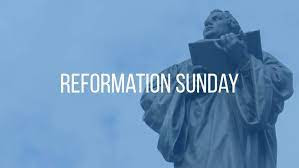
Reformation Sunday: A Time of Reflection and Celebration from an Anglican Perspective


Reformation Sunday, observed on the last Sunday in October in many Anglican churches, marks a significant event in Christian history. On this day, Anglicans join their fellow Protestant brothers and sisters in celebrating the legacy of the Reformation. Reformation Sunday is an occasion for reflection on the theological, historical, and spiritual significance of this movement and its enduring impact on the Anglican tradition.

Historical Roots of the Reformation

The Reformation, initiated in the 16th century, was a response to perceived doctrinal and moral issues within the Roman Catholic Church. Prominent figures like Martin Luther, John Calvin, and others played pivotal roles in challenging the existing religious authority and promoting reforms based on their interpretations of the Bible. Within the Anglican tradition, the English Reformation was led by King Henry VIII and Archbishop Thomas Cranmer, who sought to establish the Church of England as separate from the Roman Catholic Church while retaining many traditional elements of faith.

Reformation and Anglicanism

From an Anglican standpoint, the Reformation represents a crucial chapter in the history of the Church of England. While the English Reformation retained a degree of liturgical and theological continuity with the Roman Catholic Church, it also emphasized key Protestant principles. Anglicans proudly embrace the Three Pillars of the Reformation:

Sola Scriptura (Scripture Alone): The authority of the Bible as the ultimate source of Christian belief and practice is a fundamental principle shared with other Protestant traditions. Anglicans hold the Bible in high regard, emphasizing its role in shaping faith and doctrine.

Sola Fide (Faith Alone): The Anglican tradition emphasizes salvation by grace through faith, another key Protestant doctrine. The emphasis on faith as the means of justification is central to Anglican theology.

Sola Gratia (Grace Alone): Anglicans, like other Protestants, recognize salvation as a gift of God's grace, underscoring the need for divine grace in the lives of believers.

Liturgical Heritage and Reformation

One of the distinguishing features of Anglicanism is its liturgical heritage. The Book of Common Prayer, an iconic liturgical resource, reflects the fusion of Catholic and Protestant elements in Anglican worship. Reformation Sunday serves as a reminder of the English Reformation's influence on the liturgy, promoting the use of vernacular languages and congregational participation, while retaining traditional elements of the Mass.

Theological Balance in Anglicanism

Anglicanism is often described as the "via media" or "middle way" between Roman Catholicism and Reformed Protestantism. This balance is reflected in its theology, which accommodates a broad range of perspectives within the tradition. While some Anglicans lean towards a more "high church" or Anglo-Catholic position, emphasizing sacraments, liturgy, and the apostolic succession, others take a "low church" or Reformed approach, emphasizing a simpler, more evangelical style of worship. Reformation Sunday provides an opportunity for Anglicans to celebrate this theological diversity and to reflect on their tradition's inclusive character.

Celebrating Reformation's Legacy

Reformation Sunday in the Anglican tradition is not solely about historical commemoration but also a time for self-examination. It calls Anglicans to reflect on the ongoing need for reform and renewal within the Church. In light of the historical context of the Reformation, it encourages critical reflection on the Church's mission and responsibilities in the modern world.

Reformation Sunday is a moment of celebration and contemplation for Anglicans. It is a day to acknowledge the Reformation's historical roots, embrace the theological principles it espoused, and celebrate the richness and diversity of the Anglican tradition. From the via media of Anglicanism, Reformation Sunday is an opportunity to renew one's commitment to faith, scriptural authority, and the ongoing process of reform within the Church.

Anglican Orthodoxy: A Pillar of Faith in Today's Society


In an ever-changing world where traditions and beliefs seem to shift like the sands of time, the importance of Anglican orthodoxy stands as a beacon of stability, wisdom, and faith. Anglicanism, a branch of Christianity born out of the Reformation, has long been characterized by its adherence to traditional doctrines and practices. This commitment to orthodoxy is not a mere relic of the past but a vital aspect of the Anglican tradition that continues to resonate in today's society. This article explores the significance of Anglican orthodoxy in the contemporary world, shedding light on its enduring relevance, its role in modern Christianity, and its potential contributions to the broader social and ethical discussions of our time.

The Rich Historical Legacy of Anglican Orthodoxy

Before delving into the contemporary relevance of Anglican orthodoxy, it is essential to understand the historical context from which this tradition emerged. The Church of England, founded during the English Reformation in the 16th century, emerged as a unique blend of Catholicism and Protestantism. The defining feature of Anglicanism, which has endured through the centuries, is its commitment to theological and liturgical continuity with the early Church.

The Book of Common Prayer: A Timeless Guide

Central to Anglican orthodoxy is the Book of Common Prayer, a liturgical text that serves as the backbone of Anglican worship. Created in the 16th century, it has been revised and adapted over the years but remains remarkably consistent in its structure and language. The Book of Common Prayer fosters a sense of continuity, connecting modern Anglicans to their forebears and the broader Christian tradition. Its use of traditional language and biblical imagery provides a sense of rootedness in a rapidly changing world.

The Creeds and Doctrines: Unchanging Truths

Anglican orthodoxy upholds the historic creeds of the Christian faith, including the Nicene and Apostles' Creeds. These statements of belief have remained constant for over a thousand years, providing a bedrock of theological certainty in an uncertain world. The foundational doctrines of the Anglican tradition, such as the authority of Scripture, the sacraments, and the importance of apostolic succession, further emphasize the enduring nature of this tradition.

The Enduring Relevance of Anglican Orthodoxy

In today's society, where individualism and relativism often challenge established norms and beliefs, Anglican orthodoxy serves as a stabilizing force that offers several points of contemporary relevance:

Moral and Ethical Guidance

Anglican orthodoxy provides a moral and ethical compass that is deeply rooted in the teachings of Scripture and the wisdom of centuries of theological reflection. In a world where ethical boundaries can be fluid and subjective, the clear moral teachings of Anglican orthodoxy offer a solid foundation for navigating complex moral issues, such as social justice, the sanctity of life, and marriage.

Unity Amidst Diversity

Anglicanism's big tent approach allows for a diversity of theological views while maintaining a common core of orthodox belief. This inclusivity provides a model for bridging divides in a world marked by ideological polarization. The Anglican Communion's global reach and cultural diversity exemplify how unity in faith can coexist with a rich tapestry of human experiences.

Engagement with Contemporary Issues

Anglican orthodoxy is not a stagnant belief system but a living tradition that grapples with contemporary challenges. Anglican theologians and leaders engage with issues like climate change, social justice, and human rights, drawing on the timeless wisdom of their faith to inform responses to pressing concerns.

The Role of Anglican Orthodoxy in Modern Christianity

Anglican orthodoxy is not isolated from broader Christianity but plays a pivotal role in the larger tapestry of Christian traditions. Its influence is felt in ecumenical efforts and interfaith dialogue, as well as in its role in the worldwide Anglican Communion.

Ecumenism and Interfaith Dialogue

Anglicanism's commitment to orthodoxy has facilitated fruitful dialogues with other Christian denominations, including Roman Catholicism and Eastern Orthodoxy. Common ground on issues such as the nature of the Trinity and the role of tradition has led to important strides in ecumenical discussions. Additionally, the respect for the creeds and historic Christian doctrines has made interfaith dialogues more productive, as they provide a firm foundation for engaging with people of other faiths.

Global Anglicanism

Anglican orthodoxy is not confined to a single geographic region or cultural context. The Anglican Communion encompasses diverse cultures and experiences, making it a global voice within Christianity. This global presence allows Anglican orthodoxy to influence discussions on matters of faith, ethics, and social justice on a worldwide scale.

Challenges and Controversies

While Anglican orthodoxy continues to be a powerful and relevant force in today's society, it is not without its challenges and controversies. Issues such as divisions within the Anglican Communion over topics like human sexuality and gender roles have caused tensions and fractures. However, these challenges also demonstrate the evolving nature of Anglican orthodoxy and its ongoing relevance as Anglicans grapple with contemporary issues in light of their traditional beliefs.

The importance of Anglican orthodoxy in today's society cannot be overstated. It offers a steadfast guide in a world characterized by change, uncertainty, and moral relativism. Its rich historical legacy, enduring relevance, and contributions to modern Christianity make it a vital tradition within the larger Christian tapestry. While challenges and controversies persist, Anglican orthodoxy remains a beacon of stability, morality, and faith in an ever-changing world, continuing to shape the discourse on faith, ethics, and societal issues for generations to come.

26 October 2023

1 Corinthians 16:13 - A Call to Courage and Strength


    The Bible is filled with verses that offer guidance, inspiration, and wisdom for Christians seeking to navigate life's challenges. One such verse, 1 Corinthians 16:13, serves as a powerful reminder of the virtues every believer should aspire to embody. 

1 Corinthians 16:13 (KJV)

"Watch ye, stand fast in the faith, quit you like men, be strong"

    The opening phrase, "Be on your guard," serves as a call to vigilance. In the face of life's trials, temptations, and adversity, Christians are encouraged to remain watchful and cautious. This vigilance extends not only to external influences but also to internal struggles, like doubt and temptation. Being on guard means being mindful of the spiritual battles that can undermine one's faith and commitment to living a righteous life.

    The second part of the verse, "stand firm in the faith," emphasizes the importance of unwavering belief in God and His promises. In the midst of a world filled with shifting moral standards and belief systems, the call to stand firm in faith is a reminder to hold fast to one's convictions, even in the face of adversity. This unwavering faith enables Christians to be a light in a world that often lacks spiritual direction.

    "Be courageous" is a call to be brave in the face of challenges. Life is rife with uncertainties, and as Christians, it is essential to confront them with courage. This courage is not the absence of fear but the strength to move forward in the presence of fear, trusting in God's guidance and support. Courageous faith is a beacon of hope, inspiring others to take bold steps in their own lives.

    The final exhortation, "be strong," underscores the importance of developing spiritual resilience. In the Christian journey, there will be moments of weakness, doubt, and weariness. However, the call to be strong reminds believers to rely on God's strength, which is made perfect in our weakness (2 Corinthians 12:9). Strength in the Christian context is not self-sufficiency but a deep reliance on God's power and grace.

    1 Corinthians 16:13 is a concise yet profound verse that encapsulates the virtues and qualities essential to a faithful and resilient Christian life. It calls for vigilance, unwavering faith, courage, and strength, qualities that empower believers to face life's challenges with confidence. As Christians, we can draw inspiration from this verse and strive to live out these virtues, not only for our benefit but as a testament to God's love and grace in our lives.