25 October 2023

Enoch and its Importance in Biblical Scholarship


Enoch is a figure mentioned in the Bible who is said to have walked with God and been taken alive to heaven (Genesis 5:24). He is also mentioned in the New Testament as an example of faith (Hebrews 11:5).

The Book of Enoch is a pseudepigraphical text that was written in the Second Temple period (c. 200 BCE - 100 CE). It is not considered to be canonical Scripture by either Jews or Christians, but it is still important to biblical scholars because it provides insights into the beliefs and practices of early Judaism.

The Book of Enoch is a complex and multifaceted work, but some of its key themes include:

  • The fallen angels: The Book of Enoch tells the story of how a group of angels rebelled against God and were cast down to earth. These angels are known as the Watchers, and they are said to have fathered the Nephilim, a race of giants who terrorized the earth before the flood.
  • The Messiah: The Book of Enoch contains some of the earliest apocalyptic prophecies about the Messiah. The Messiah is depicted as a powerful and righteous figure who will come to defeat evil and establish God's kingdom on earth.
  • The afterlife: The Book of Enoch also provides detailed descriptions of the afterlife. Heaven is depicted as a place of great beauty and peace, while hell is a place of torment and suffering.

The Book of Enoch was highly influential in early Judaism, and it is cited in several New Testament texts, including the Gospel of Jude. It is also thought to have influenced the development of Christian doctrines such as demonology, the resurrection, and the final judgment.

Biblical scholars study the Book of Enoch for a number of reasons. First, it provides insights into the beliefs and practices of early Judaism. Second, it can help us to better understand the New Testament, since it is cited in several New Testament texts. Third, it can help us to better understand the development of Christian doctrines.

Here are some specific examples of the importance of the Book of Enoch in biblical scholarship:

  • The Book of Enoch provides insights into the development of the messianic concept. The Messiah is depicted as a powerful and righteous figure who will come to defeat evil and establish God's kingdom on earth. This concept is similar to the way that the Messiah is depicted in the New Testament.
  • The Book of Enoch also provides insights into the development of Jewish demonology. The Watchers are said to have fallen from heaven and become demons. This concept is similar to the way that demons are depicted in the New Testament.
  • The Book of Enoch also provides insights into the development of the Christian doctrine of the resurrection. The Book of Enoch teaches that the righteous will be resurrected to eternal life, while the wicked will be resurrected to eternal punishment. This concept is similar to the way that the resurrection is depicted in the New Testament.

Overall, the Book of Enoch is an important source of information for biblical scholars. It provides insights into the beliefs and practices of early Judaism, and it can help us to better understand the New Testament and the development of Christian doctrines.

The 39 Articles of the Anglican Church: A Comprehensive Overview


The 39 Articles, often referred to simply as the "Articles," are a foundational document in the Anglican tradition. They represent a statement of faith and doctrine for the Church of England, setting out key theological principles and beliefs. These articles have played a crucial role in defining Anglican identity and doctrine since their inception in the 16th century. In this article, we'll explore the history, content, and significance of the 39 Articles.

**Historical Background:**
The 39 Articles were first formulated during the English Reformation, a period marked by significant religious and political changes in England. In the early 16th century, King Henry VIII separated the Church of England from the Roman Catholic Church, leading to the formation of the Church of England as a distinct entity. However, it wasn't until the reign of Queen Elizabeth I that the Articles were finalized in their present form, in 1571.

**Purpose and Scope:**
The 39 Articles were created to address the theological and doctrinal issues of the day. They sought to establish a distinct identity for the Church of England, distinguishing it from both Roman Catholicism and more radical Protestant groups like the Puritans. The Articles served as a compromise between these different religious factions, allowing for a measure of diversity in belief within the Church.

**Key Doctrinal Points:**
The Articles cover a wide range of theological topics, addressing issues such as the nature of God, the authority of Scripture, the sacraments, and the role of the clergy. Some of the key points within the Articles include:

1. **The Authority of Scripture:** The Articles emphasize the authority of the Bible as the ultimate source of Christian doctrine and teaching.

2. **The Doctrine of the Trinity:** They affirm the belief in the Holy Trinity - the Father, the Son, and the Holy Spirit - as central to Anglican faith.

3. **The Role of Sacraments:** The Articles recognize two sacraments as ordained by Christ: Baptism and the Eucharist (Holy Communion). They affirm that these sacraments are effective signs of God's grace.

4. **Predestination and Salvation:** The Articles discuss the concepts of predestination and the assurance of salvation, acknowledging the mysterious tension between God's sovereignty and human responsibility.

**Adaptability and Interpretation:**
One of the notable features of the 39 Articles is their flexibility. They were intentionally framed to allow a range of interpretations, which has contributed to the diversity within the Anglican Communion. While some Anglicans hold the Articles in high regard and interpret them in a more conservative manner, others see them as historical documents open to reinterpretation in the context of contemporary beliefs.

**Modern Relevance:**
In the 21st century, the 39 Articles remain a foundational document for the Anglican Communion. They continue to influence the theological and doctrinal discussions within the Church, providing a touchstone for Anglican identity and practice.

In conclusion, the 39 Articles of the Anglican Church represent a significant theological document with a rich history and a lasting impact on the Anglican tradition. While they were formulated in a particular historical context, their adaptability and enduring relevance allow them to continue shaping the faith and practice of Anglicans around the world. Whether viewed as a historical artifact or a living statement of faith, the 39 Articles remain a vital part of Anglican identity and theology.

24 October 2023

Applying Traditional Anglican Values to Everyday Life


Anglicanism, one of the largest Christian denominations, has a rich history and a set of traditional values that have shaped its adherents for centuries. Rooted in the Church of England, Anglicanism has developed a distinctive blend of Catholic and Protestant traditions. While some aspects of Anglican doctrine and practice may vary from one parish to another, there are core values that can be applied to everyday life in a meaningful way.

Worship and Prayer: Traditional Anglicans place great emphasis on regular worship and prayer. You can apply this value to your everyday life by establishing a daily prayer routine. You don't need to be a priest to incorporate prayer into your life. Simple daily prayers or moments of reflection can provide a sense of peace and connection to a higher power. Setting aside time for regular church attendance can also deepen your spiritual life.

Community and Fellowship: The Anglican tradition places a strong emphasis on the importance of community and fellowship. Attend church events, participate in volunteer activities, and engage with your fellow parishioners. This sense of community can extend to your everyday life as well. Reach out to neighbors, colleagues, and friends, offering your support and friendship. Engaging in acts of kindness and service can strengthen the bonds of your community.

Scripture and Study: Traditional Anglicans are encouraged to read and study the Bible. You can apply this value by making time for daily scripture readings and reflections. Consider joining a Bible study group or attending classes at your church to deepen your understanding of the teachings within the Bible. Applying the wisdom found in the scriptures can guide your everyday decisions and actions.

Tradition and Ritual: The use of tradition and ritual in Anglican worship can provide a sense of continuity and depth to one's spiritual life. While Anglican worship is rich in liturgy, you can incorporate a sense of tradition into your daily life by establishing meaningful rituals. These could include daily devotionals, seasonal celebrations, or family rituals that reflect your Anglican values and beliefs.

Personal Integrity: Anglicanism encourages personal integrity and ethical living. In your everyday life, strive to live with honesty, integrity, and humility. Uphold the values of love, compassion, and forgiveness. By doing so, you not only honor your faith but also set a positive example for those around you.

Education and Intellectual Exploration: The Anglican tradition encourages intellectual exploration and learning. Apply this value by continually seeking to expand your knowledge and understanding of the world. Read books, engage in thoughtful discussions, and pursue lifelong learning opportunities. By doing so, you can contribute positively to your community and the broader society.

Incorporating traditional Anglican values into your everyday life can be a rewarding and fulfilling journey. These values provide a foundation for personal growth, spiritual depth, and a sense of purpose. Whether you are a lifelong Anglican or simply drawn to these values, they can guide your actions, relationships, and decision-making in a way that brings more meaning and fulfillment to your life.

Be Still


Have you noticed the amount of noise in our lives? There are a million and one things vying for our attention; television, radio, telephones, email, billboards, ads in magazines all seem to be shouting at us, demanding our attention. “Buy this!” “Shop here!” “MUST SEE TV!” Everything seems to be a demand.

Psalm 46:1 tells us that God [is] our refuge and strength, a very present help in trouble. A refuge. When you think of a refuge you think of a quite place, a safe haven from the noise and the battle. He is our strength, our power, the One from whom we derive the will to go on.

“Therefore we will not fear”. Fear is useless. Fear is indicative of a lack of faith in God. How can you feel fear if you are in a safe haven? A refuge?

The fear we feel today has less to do with a physical enemy surrounding our town and bringing siege to it with battering rams and catapults, but the anomalous fear of economic collapse; that someone is getting ahead of us at our expense. That we are missing out on something so important that we will never catch up to the rest of society unless we have that one thing. We fear the other; that the other person is taking what is ours, and usurping our prerogatives. This is (whether we admit it our not) is the basis for our unease.

If only we could see the truth. We have nothing to fear if we rely on God. He is our collective strength and He allocated His power to all His children equally. We are all assured of His very present help in our trouble.

To calm our fears the Lord gives us, in Psalm 46:10 a simple command. “Be still, and know that I am God.” Oh how wonderful that phrase. He uses the same command over and over in the Bible. In Psalm 4:4 He tells us to “Stand in awe, and sin not: commune with your own heart upon your bed, and be still.” Commune with your own heart, listen to yourself … listen to the voice of God within you as He guides you. Be Still. This command works. Jesus used it on the storm in Mark 4:39 when he stood up in the boat and said to the sea, “Peace, be still.” And when He did there was a great calm. Think of the power in that command. A raging storm was brought to a halt and the sea calmed to nothingness in an instant. Had Jesus been working for theatrical effect he could have shouted “MIGHTY WINDS, I COMMAND THEE TO CEASE! RAGING WATER, CALM YOURSELF AND DO NOT TROUBLE ME!” But instead He simply said, “Be still” and it was enough. It can be enough in your life as well. The Lord is with us today, and gives us the same command. And as it worked on the storm, it will work on your life.

Meditation has fallen out of style in the West since the Transcendental Meditation fad of the 1960’s, but the Christian is encouraged to meditate. Webster defines meditate as “to focus one’s thoughts on: reflect on or ponder over” and that is just what we should do. Focus on, and reflect on God. Focus on God, and that will take the focus away from your fear.

Take time to get away from the noise and shouts of daily life. Even if only for five minutes during your lunch break, stop. Listen and commune with your own heart. Hear the voice of our Lord as He says, “Know I am God”.

May the Peace, Joy and Love of our Lord Jesus Christ be with you all, amen.

The Forgotten Command


In 2 Timothy 4:2 the Apostle Paul tells Timothy to "Preach the word! Be ready in season and out of season. Convince, Rebuke, Exhort, with all long suffering and reaching."

Well today there is a lot of Exhorting going on, and some convincing, but we have forgotten how to rebuke in a Christian manner. Webster defines rebuke as "to express sharp, stern disapproval of; reprove; reprimand." This is what we as a people are failing in.

Proverbs 27:5 says "Open rebuke is better than love carefully concealed." A salutary word aimed at correction for one's good is better than a genuine love that lacks the strength to risk correcting someone.

Or, to put it plainly: "If you love someone you will correct them when they sin!

We, as a society have moved away from this most important command. We are becoming like the prophesied people in 2 Timothy 4:4 "And they shall turn away their ears from the truth, and shall be turned unto fables."

What are the fables are you turning to? Wealth, fame, entertainment, drugs, new age movement, universal spirituality rather than the Holy Spirit? Do you see a friend making these mistakes? If so, have you rebuked them in love?

Who enjoys punishing someone you love? I hate having to send my daughter to the corner when she is bad, but I have to. She must learn right from wrong, and it is my duty to instruct her. If I didn't rebuke her, I would be failing her setting her up for a fall later in life.

If you truly care about your friends and family, don't be afraid to rebuke them when you see them go astray. And most importantly, don't be angry when they do the same to you.

God's peace and love go with you all, amen.

Are you afraid of the dark?


A sermon from a few years ago, give in the town Civic Center as part of a multi-church week long revival. 


The Overreach of Government: Interference in Churches


The separation of church and state has long been a cornerstone of modern democracies, protecting religious institutions from government interference. This principle, enshrined in many constitutions worldwide, is designed to ensure that religious organizations can function independently, free from government intrusion. However, in recent years, concerns have arisen over the extent to which governments are encroaching upon the religious freedoms of churches. This article examines the critical issue of government interference in churches and the potential consequences for both religious institutions and the broader society.

The Importance of Church Autonomy

The autonomy of religious institutions, including churches, is a fundamental element of religious freedom. This autonomy allows religious organizations to define and practice their beliefs, rituals, and teachings without government interference. It also grants them the ability to address social, moral, and ethical issues according to their faith.

When governments begin to interfere in church affairs, they risk infringing on this core principle of religious freedom. Such interference can take various forms, including taxation, regulations on religious practices, and limitations on church speech, ultimately jeopardizing the independence of churches and the free exercise of religion.

Taxation and Financial Oversight

One of the ways in which governments interfere in churches is through taxation and financial oversight. In some cases, churches may lose their tax-exempt status, and they may be subject to the same financial reporting requirements as secular non-profits. This not only burdens religious institutions with financial and administrative responsibilities but also creates a precedent for government intervention in matters that should remain within the church's jurisdiction.

While some argue that religious organizations should be subject to taxation to support public services, such as infrastructure and education, it is essential to remember that churches often provide substantial charitable and community services that contribute to the common good. Stripping them of their tax-exempt status may hinder their ability to carry out these vital functions.

Regulations on Religious Practices

Governments may also attempt to regulate religious practices within churches. Such regulations can affect various aspects of worship and doctrine, from zoning restrictions to building codes, and even interference in hiring decisions. These regulations can stifle the ability of religious institutions to follow their faith, potentially forcing them to compromise their beliefs in the name of compliance with government rules.

Limitations on Church Speech

Freedom of speech is a cherished right in democratic societies, and religious institutions are not exempt from this freedom. However, some governments have imposed restrictions on what churches can say and preach, particularly regarding controversial topics such as sexuality and marriage. These limitations infringe upon the rights of religious leaders and congregations to express their beliefs and convictions openly, violating the principles of free speech and religious liberty.

Potential Consequences

Government interference in churches can have several negative consequences. It can undermine the autonomy of religious institutions, infringe upon religious freedoms, and threaten the vitality of religious communities. Additionally, it can create a chilling effect on religious expression, as churches may fear legal repercussions for expressing their beliefs, even when they align with their religious doctrines.

Furthermore, government interference can strain the relationship between church and state, leading to legal disputes, societal division, and a loss of trust in the government's ability to uphold the principles of religious freedom.

The separation of church and state is not merely a legal concept; it is a foundational principle that underpins the religious freedoms of individuals and the autonomy of religious institutions. Government interference in churches, whether through taxation, regulations, or limitations on speech, poses a threat to these essential liberties. While governments must fulfill their duties to protect the common good, they must do so while respecting the foundational principles of religious freedom, autonomy, and freedom of speech. Striking the right balance between state interests and individual and religious liberties is crucial to maintaining a just and democratic society.

23 October 2023

Lifting Up Christ: Drawing All People to Him


Today, we reflect upon a powerful and illuminating passage from the Gospel of John. In these verses, Jesus speaks of His impending crucifixion, and He reveals a profound truth that remains relevant for us today. Let us turn our hearts and minds to John 12:31-32, where Jesus says, "Now is the judgment of this world; now will the ruler of this world be cast out. And I, when I am lifted up from the earth, will draw all people to myself."

In these words, Jesus is speaking about His crucifixion, which was soon to come. He speaks of being "lifted up from the earth." This expression holds a dual significance. Firstly, it foretells the manner of His death, which was by crucifixion, a form of execution where the accused is lifted up on a cross. But beyond this, Jesus's words carry a spiritual and transformative message for all of us.

In His crucifixion, Jesus accomplishes a profound spiritual act. He defeats the ruler of this world, casting out the forces of darkness and evil that seek to entangle and oppress humanity. Through His selfless sacrifice, Jesus reconciles us with God, bridging the gap created by sin. He pays the price for our sins and offers us the gift of eternal life.

But Jesus's mission does not end at the cross. He goes on to say, "I will draw all people to myself." This is a message of inclusivity, of love, and of redemption. In the lifting up of Christ, a universal invitation is extended. He calls all people to Himself, regardless of their background, their sins, or their circumstances. He offers forgiveness, hope, and a new beginning to each one of us.

As Anglicans, we understand the importance of lifting up Christ in our lives and communities. We do this through our worship, our service, and our commitment to the teachings of Jesus. We lift up Christ when we extend a helping hand to those in need, when we offer comfort to the grieving, and when we strive to live lives of love, compassion, and justice.

In our world today, there is much that seeks to draw us away from Christ: distractions, temptations, and the struggles of daily life. But let us remember that in Christ's crucifixion and resurrection, we find the ultimate source of hope and salvation. He is the one who draws us near to Him, guiding us through the challenges we face.

In conclusion, my dear brothers and sisters, let us take to heart the words of Jesus in John 12:31-32. As we contemplate His sacrifice and His promise to draw all people to Himself, may we be inspired to lift up Christ in our own lives, making His love and grace known to all we encounter. Through our faith and our actions, let us be instruments of His redeeming and reconciling love in this world.

May the peace of Christ, who was lifted up for our salvation, be with you always. Amen.

22 October 2023

One in Christ: Pursuing Christian Unity


Today, let us open our hearts and our Bibles as we delve into the important topic of Christian unity. It's a subject that resonates deeply with us as Baptists, as we value the autonomy of the local church. However, we should also remember that unity in Christ transcends denominations and differences. 

The Biblical Foundation of Unity 

Let's turn to Ephesians 4:3, where the Apostle Paul says, "Make every effort to keep the unity of the Spirit through the bond of peace." This verse emphasizes two essential aspects of Christian unity: 

Effort:  Unity is not automatic; it requires intentionality and effort. We must actively seek unity in our faith communities and beyond.

The Bond of Peace: Peace is the glue that holds us together. It's not just the absence of conflict but the presence of love, patience, and understanding.

The Beauty of Diversity

God's design for unity doesn't mean we all become the same. In 1 Corinthians 12, Paul uses the analogy of the body to show that each of us has a unique role in the body of Christ. 

Diversity within Unity: Just as the human body has many parts with different functions, so does the body of Christ. Our diversity enriches us.

Mutual Dependence: We need each other. Just as the eye can't say to the hand, "I don't need you," we can't say that about any member of the body of Christ.

The Barriers to Unity 

Let's address some common barriers to Christian unity:

Pride: Our pride can lead to divisions. Instead, let's humbly recognize that God's truth is much greater than our individual interpretations.

Misunderstanding: We often misunderstand each other. We must be willing to listen, learn, and appreciate the different perspectives within the body of Christ.

Unforgiveness: Bitterness and unforgiveness can poison our unity. Remember that Christ forgave us, and we must forgive one another.

Pursuing Unity

How can we actively pursue Christian unity?

Prayer: Prayer unites us with God and each other. Let's pray for unity in our church, our denomination, and the global body of Christ.

Dialogue: Engage in meaningful conversations with fellow believers from different backgrounds. Seek to understand rather than convince.

Acts of Love: Show love through your actions. Reach out to those who might be on the fringes of our faith community.

The Power of Our Witness 

Finally, let's remember the impact of our unity on the world. In John 13:35, Jesus said, "By this, all men will know that you are my disciples if you love one another." Our unity is a powerful testimony to the truth and love of Christ.


In closing, my dear brothers and sisters, let us remember that Christian unity is not uniformity. It's a beautiful tapestry of diverse believers bound together by our love for Christ. As Baptists, let us continue to value our distinctive beliefs while embracing the broader body of Christ. May our unity be a beacon of hope and a powerful witness to the world. Let us pray and work for unity, for in unity, we find our strength. Amen.

The book of Enoch's influence on Christianity today


The Book of Enoch is an ancient Jewish religious work attributed to Enoch, the great-grandfather of Noah. While it is not considered part of the biblical canon by most Christian denominations, it has had some influence on Christianity, particularly within certain sects and in terms of its impact on religious thought and imagination. Here are a few ways in which the Book of Enoch has influenced Christianity:

1. Early Christian Literature: The Book of Enoch is referenced in some early Christian writings, including the Epistle of Jude in the New Testament. Jude quotes directly from the Book of Enoch, showing that it was familiar to early Christian communities.

2. Angelology and Demonology: The Book of Enoch provides detailed descriptions of angels, their hierarchy, and their interactions with humans. It also discusses the origin and nature of evil spirits. These ideas influenced Christian angelology and demonology, shaping the development of theological beliefs about angels and demons.

3. Messianic Prophecies: The Book of Enoch contains messianic prophecies and references to the Son of Man, which influenced early Christian beliefs about Jesus Christ as the Messiah and the Son of Man. Some scholars argue that early Christians drew on these ideas when discussing the nature and role of Jesus.

4. Eschatological Beliefs: The Book of Enoch contains elaborate descriptions of the end times, the judgment of the wicked, and the establishment of a new kingdom of righteousness. These eschatological themes, including the concepts of a final judgment and eternal punishment, resonated with early Christian beliefs about the Second Coming of Christ and the end of the world.

5. Influence on Jewish and Christian Mysticism: The Book of Enoch has had a significant impact on Jewish and Christian mystical traditions. Its descriptions of heavenly realms, visions, and mystical journeys influenced the development of mystical and apocalyptic literature in both religious traditions.

6. Cultural and Literary Influence: The Book of Enoch has inspired numerous works of art, literature, and music throughout history. Its rich imagery and imaginative narrative elements have captured the imagination of many artists and writers, both within and outside of Christian circles. This cultural influence has contributed to its enduring significance in Christian thought.

It is important to note that while the Book of Enoch has had some influence on Christianity, it is not considered authoritative or canonical by most Christian denominations. Its status varies among different Christian communities, with some viewing it as valuable for historical and theological insights, while others regard it as interesting but non-authoritative.

20 October 2023

A need for Christian Education


Christian education is a topic that has been debated for centuries. While some people believe that it is essential for children to receive a Christian education, others argue that it is not necessary. In this article, we will explore the need for Christian education and why it is important.

Firstly, Christian education provides children with a strong foundation of faith. It teaches them about God’s love and helps them develop a personal relationship with Jesus Christ. This foundation is essential for children as they grow up and face the challenges of life. It gives them a sense of purpose and direction, which can help them make better decisions in the future.

Secondly, Christian education helps children develop strong character qualities such as kindness, generosity, honesty, fairness, responsibility, and respect. These qualities are essential for children to become compassionate individuals who can make informed decisions and think critically. Christian education teaches values and morals that are based on the Bible, which can help children discern what they will eventually believe about God and the world.

Thirdly, Christian education provides moral guidance to children. Children are still developing and need to learn about their place in the world, how God wants them to behave, and what He wants for His church. Christian education helps students grow into compassionate individuals who can make informed decisions, think critically, and find solutions to life’s questions based on their faith.

Fourthly, Christian education creates a community of believers who share the same values. This community can provide support and encouragement to children as they grow up and face the challenges of life. It also helps children develop social skills that are essential for building relationships with others.

In conclusion, Christian education is essential for children as it provides them with a strong foundation of faith, helps them develop strong character qualities, provides moral guidance, and creates a community of believers who share the same values. It is important for parents to consider these factors when deciding whether or not to send their children to a Christian school.

The Family as the Foundation of Society: Building Stronger Communities


The family, in its various forms and structures, is universally recognized as the cornerstone of society. It is within the family that individuals learn fundamental values, morals, and social behaviors that shape their interactions with the broader community. This article delves into the crucial role of the family as the foundation of society, highlighting its significance in building stronger, more stable, and harmonious communities.

The Family's Role in Socialization

One of the most fundamental aspects of the family's function is its role in socialization. Families serve as the primary agents in shaping a child's character, values, and sense of identity. From an early age, children learn essential life skills, including communication, empathy, and problem-solving, through interactions with their family members. These early experiences lay the foundation for the individual's social development and ability to engage constructively within society.

In the family, children discover the importance of empathy and cooperation. Parents teach their children how to communicate effectively, share, and resolve conflicts. This early socialization within the family prepares individuals for interactions with peers, colleagues, and community members. The values instilled in the family setting form the basis for ethical decision-making and responsible citizenship.

Emotional Support and Well-Being

Families offer a vital source of emotional support and a sense of belonging. Through love, care, and emotional connection, family members provide each other with the strength and security needed to navigate life's challenges. Strong family bonds contribute to better mental health, higher self-esteem, and an increased ability to cope with stress and adversity.

In moments of joy and sorrow, families stand as a beacon of hope and solace. The unwavering emotional support provided within families nurtures emotional intelligence and resilience. This, in turn, empowers individuals to thrive in their personal lives and make meaningful contributions to society.

Moral and Ethical Education

The family is often the first place where individuals are exposed to moral and ethical values. It is within the family unit that children are taught right from wrong, kindness and empathy, and the importance of honesty and integrity. These early lessons are instrumental in shaping individuals who will later become responsible and ethical members of society.

Parents have the critical role of modeling moral behavior for their children. By demonstrating honesty, integrity, and respect for others, parents set a strong moral example. Through open discussions and guidance, parents help their children navigate complex moral dilemmas and develop a strong ethical foundation.

Economic Stability and Resource Allocation

Families play a pivotal role in economic stability by serving as a unit for resource allocation and financial support. The family provides a safety net for its members, ensuring that they have access to the basic necessities of life. It is often within the family that individuals learn important financial management skills and the value of hard work.

In families, individuals often share financial responsibilities, pooling resources to meet common goals. This cooperative approach to economic stability not only ensures individual well-being but also contributes to broader economic stability within communities.

Education and Lifelong Learning

Education is a cornerstone of personal development and societal progress. Families are essential in fostering a culture of education and lifelong learning. Parents, as the first educators, instill a love for learning in their children, emphasizing the importance of formal education and personal growth.

Strong family involvement in education is linked to higher educational attainment and academic success. Parents who prioritize education inspire their children to strive for academic excellence. This commitment to education equips individuals with the knowledge and skills needed to contribute meaningfully to society.

Social Cohesion and Community Building

Families form the basis of communities. When families are stable and thriving, communities benefit from greater social cohesion. Individuals who grow up in strong, supportive families are more likely to engage in community activities, volunteer, and build lasting relationships.

Families act as a bridge between the individual and the broader society, fostering a sense of belonging, shared values, and collective responsibility. The social cohesion within families extends to the community, creating a network of support and shared objectives. In close-knit communities, individuals are more likely to work together for common goals, leading to a stronger and more harmonious society.

Intergenerational Wisdom and Continuity

The family structure provides a unique platform for the transmission of knowledge, traditions, and cultural values from one generation to the next. Grandparents, parents, and children form a continuum of experience and wisdom. The family's role in preserving cultural heritage and traditions ensures that societies maintain their roots and rich histories while evolving with the times.

The intergenerational exchange of wisdom enriches society and promotes cultural diversity. In families, younger generations learn from the experiences and insights of their elders, passing down valuable knowledge and traditions. This preservation of cultural continuity contributes to the richness and diversity of societies, while also providing a sense of stability and identity.

Strengthening the Social Fabric

Families have the power to heal and strengthen the social fabric when it is torn by challenges. In times of crisis, families often come together to support one another and their communities. Their resilience and capacity to adapt to change make families a vital stabilizing force in society.

Whether facing economic hardship, natural disasters, or social upheaval, the family's ability to weather adversity is crucial in maintaining stability and promoting social recovery. Families who support one another during challenging times not only overcome obstacles more effectively but also contribute to the broader community's ability to rebuild and thrive.

Reducing Social Issues

Strong families are linked to a reduction in various social issues, such as crime, substance abuse, and juvenile delinquency. When individuals are nurtured and supported within a loving family structure, they are less likely to engage in destructive behaviors.

Families act as a protective factor, instilling values and a sense of purpose that discourages involvement in criminal or harmful activities. By providing emotional support, guidance, and a sense of belonging, families create a positive environment that reduces the risk of individuals turning to negative influences.

Strengthening Families for a Stronger Society

In conclusion, the family is undeniably the foundation of society. Its role in socialization, emotional support, moral education, economic stability, education, social cohesion, and cultural continuity is paramount. The family is a source of strength and stability that transcends individual households, contributing to the development of strong, prosperous, and harmonious communities.

It is crucial for society to recognize the importance of families and invest in policies and programs that support them. By strengthening families, we lay the groundwork for building more resilient, healthy, and thriving societies. As we celebrate the family as the cornerstone of society, let us also strive to create an environment that empowers families to fulfill their essential role in shaping a brighter future for all.

With families at the core, we can build societies that are more resilient, compassionate, and united, paving the way for a brighter future for all.

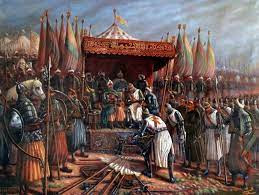
In Defense of the Crusades: Unveiling the Complex Truth


The Crusades, a series of military campaigns launched by Christian Europe in the Middle Ages, have often been a subject of controversy and debate. While many critics argue that the Crusades were nothing more than a brutal and destructive exercise in religious fanaticism, there is a case to be made for understanding these events within a more nuanced historical context. In this article, we will explore some of the reasons to support the Crusades, highlighting the complex truth behind these pivotal events.

The Defense of Christendom

One of the primary arguments in support of the Crusades is the perceived need to protect Christendom, the community of Christian states and peoples. At the time, the Byzantine Empire was under siege by the Seljuk Turks, and Christians in the Holy Land faced persecution and suppression. The call for Crusades was, in part, a response to these threats and a bid to protect and preserve Christian communities and sacred sites in the East.

The Context of the Time

It is crucial to consider the historical context in which the Crusades took place. The Middle Ages were marked by religious fervor and a worldview that intertwined faith and politics. The Crusades should not be viewed solely through the lens of modern secularism but rather in the light of the prevailing beliefs of the time.

Economic and Cultural Exchange

The Crusades, especially the later ones, brought about significant economic and cultural exchanges between the East and the West. The encounter with the Islamic world exposed Europeans to new ideas, knowledge, and goods. This cross-cultural exchange played a vital role in the later development of Renaissance Europe and the growth of trade and commerce.

The Reconquista and the Crusades

One often overlooked aspect of the Crusades is their connection with the Reconquista, the Christian reconquest of the Iberian Peninsula from Muslim rule. The experience gained during the Crusades, particularly in the areas of military strategy and siege warfare, played a crucial role in the eventual success of the Reconquista. This contributed to the unification of Spain under Christian rule and the flourishing of Spanish culture and influence.

Religious Motivation and Faith

While some criticize the Crusades as religious fanaticism, it's essential to acknowledge that the motivation for the Crusaders was deeply rooted in their faith. These men and women believed they were undertaking a holy duty to reclaim lands considered sacred by their religion. Their commitment to their cause, while sometimes leading to tragic events, also exemplifies the power of faith in shaping the course of history.

The Complex Legacy

The Crusades left a complex legacy, but it's a legacy that shaped the course of Western history. The interplay of cultures and ideas, the development of medieval chivalry, and the foundation of knightly orders like the Templars and Hospitallers are all part of the lasting impact of these historical events.


In conclusion, while the Crusades are not without their dark chapters, they should not be condemned outright as a brutal exercise in religious fanaticism. Instead, it is important to consider the Crusades within the context of their time, recognizing the complex factors that motivated the Crusaders and the lasting impact they had on the course of history. A more nuanced understanding of the Crusades is essential to appreciate their historical significance and their role in shaping the world we know today.

19 October 2023

Resurging Reverence: The Surging Interest in Liturgical Christianity


In an era marked by rapid change and a constant flux of trends, it's remarkable to witness a growing resurgence of interest in the centuries-old traditions of liturgical Christianity. Liturgical Christianity, characterized by its formal and structured worship services, has seen a renewed appeal among diverse generations. This resurgence hints at a deep-seated yearning for spiritual depth and a connection to a rich historical tapestry.

Rediscovering the Beauty of Liturgy

In recent years, many Christian denominations have experienced a rediscovery of the beauty and depth inherent in liturgical worship. Traditional liturgical elements, such as the Eucharist (Holy Communion), the recitation of creeds, and the use of liturgical colors, offer a sense of continuity with the historical Christian faith.

For some, the recitation of ancient prayers and the use of liturgical music have a meditative quality that fosters a sense of transcendence and connectedness to the divine. Liturgical worship's structured nature often allows for a profound sense of reverence and awe that is less easily attained in more contemporary and spontaneous worship styles.

Historical Roots and Sacred Rituals

One of the driving factors behind the growing interest in liturgical Christianity is the desire for a deeper connection to the historical roots of the faith. Liturgy, with its rituals, prayers, and liturgical calendar, provides a link to the practices of early Christians and the teachings of the apostles. The sense of participating in a tradition that has been handed down through generations is both grounding and spiritually enriching.

Rituals such as the Paschal Vigil, the Imposition of Ashes, and the Stations of the Cross offer a tangible connection to the events of the Christian narrative. For those seeking a faith that is more rooted in history and tradition, liturgical Christianity provides a profound avenue for exploration.

A Return to Sacramental Theology

Liturgical Christianity often emphasizes the significance of the sacraments, particularly baptism and the Eucharist. In this context, the sacraments are seen as tangible encounters with the divine. The Eucharist, for example, is understood not merely as a symbolic act but as a genuine partaking in the body and blood of Christ. This emphasis on sacramental theology resonates with individuals seeking a more mystical and transformative experience of faith.

Community and Unity

Liturgical worship is inherently communal, involving active participation by the congregation. The responsive nature of liturgical services fosters a sense of unity and belonging among worshippers. The shared recitation of creeds and prayers unites individuals with their fellow believers, transcending differences of background and theology. This unity is a source of strength and comfort in a fragmented world.

The resurgence of interest in liturgical Christianity is not just a trend but a testament to the timeless appeal of structured, ritualistic worship that provides depth, historical continuity, and a sense of the sacred. This revival of interest signifies a desire for a faith that is rooted in history, grounded in tradition, and fosters a profound connection to the divine. Liturgical Christianity is, for many, a return to reverence and a rediscovery of the profound spiritual experiences found within its time-honored practices.

The Need for a Return to Traditional Christian Values in a Modern World


In an age characterized by rapid technological advancements, cultural shifts, and moral ambiguity, the call for a return to traditional Christian values resounds with increasing urgency. Traditional Christian values, rooted in the teachings of Jesus Christ and the Bible, have served as a moral compass for individuals, families, and societies for centuries. This article explores the need for a return to these timeless principles, examining the values that underpin Christianity and the benefits they offer to individuals and communities in our complex and ever-changing world.

I. The Pillars of Traditional Christian Values

    1. **Faith and Worship**: At the heart of Christianity lies faith in God, as exemplified through worship and prayer. Traditional Christian values encourage individuals to cultivate a personal relationship with God, seeking solace, guidance, and strength in times of need. Faith and worship form the foundation of a Christian's life, providing a sense of purpose and grounding.

    2. **Love and Compassion**: Central to Christian values is the commandment to love one's neighbor as oneself. This principle promotes compassion, empathy, and kindness toward others. It calls Christians to reach out to those in need and foster a sense of community and unity.

    3. **Family and Community**: The traditional Christian family structure is built upon the foundation of a loving and faithful marriage. Families are seen as the basic building blocks of society, and Christian values emphasize the importance of strong family bonds, parental responsibility, and the moral upbringing of children. This structure promotes stability, security, and social cohesion.

    4. **Honesty and Integrity**: Traditional Christian values advocate for honesty and integrity in all aspects of life. Individuals are called to be truthful, fair, and trustworthy in their dealings with others. This fosters a sense of trust within communities and contributes to social harmony.

    5. **Forgiveness and Redemption**: Christianity teaches the importance of forgiveness, both seeking forgiveness for one's own sins and offering it to others. This value is a powerful tool for healing and reconciliation in a world marked by conflict and division.

II. The Challenges of a Modern World

    While the core values of Christianity remain unchanging, the modern world presents several challenges that make a return to traditional Christian values more necessary than ever.

    1. **Moral Relativism**: The prevailing moral relativism of today's society blurs the lines between right and wrong. A return to traditional Christian values offers clear, timeless moral guidelines to help individuals navigate the moral landscape.

    2. **Individualism**: Modern life often glorifies individualism to the detriment of community and family values. Traditional Christian values encourage selflessness and emphasize the importance of loving one's neighbor and contributing to the greater good.

    3. **Materialism**: The pursuit of material wealth and possessions can lead to a shallow and unfulfilling existence. Christianity promotes values of humility, contentment, and the understanding that true wealth is found in spiritual fulfillment rather than material abundance.

    4. **Social Division**: Today's world is marked by social, political, and cultural divisions. Traditional Christian values offer a foundation of love, compassion, and forgiveness, which can help bridge these divides and promote unity.

    5. **Mental Health and Well-being**: The fast-paced, high-stress nature of modern life has led to an increase in mental health issues. The values of faith, love, and community found in Christianity can provide solace and support for those grappling with these challenges.

III. The Benefits of a Return to Traditional Christian Values

    1. **Moral Clarity**: Traditional Christian values provide individuals with a clear moral framework, offering guidance on how to navigate the complexities of modern life. This clarity can help individuals make more ethical decisions and lead more fulfilling lives.

    2. **Strong Families and Communities**: A return to Christian values can strengthen family units, reducing the prevalence of broken families and providing children with the stable environments they need to thrive. Strong communities, in turn, lead to greater social cohesion and support networks.

    3. **Mental and Emotional Resilience**: The values of faith, hope, and love in Christianity can provide individuals with the mental and emotional resilience needed to face life's challenges. Prayer and faith in God offer a source of comfort and strength during difficult times.

    4. **Social Harmony**: In a world marked by division and conflict, the principles of love, forgiveness, and reconciliation advocated by Christianity can play a crucial role in fostering social harmony and unity.

    5. **Global Impact**: A return to traditional Christian values could extend beyond individual and community benefits. It could inspire acts of compassion, charity, and social justice that have the potential to address global issues, such as poverty and inequality.

IV. The Role of the Church

The Church plays a pivotal role in facilitating a return to traditional Christian values. It can provide guidance, support, and a sense of community for individuals seeking to embrace these values in their lives. The Church can also promote education and outreach to help people understand the relevance of these values in the modern world.

    1. **Teaching and Preaching**: The Church must continue to teach and preach the fundamental principles of Christianity, emphasizing the enduring value of traditional Christian values in contemporary society.

    2. **Community Outreach**: Churches can engage in outreach programs that address the pressing needs of their communities, such as providing assistance to the homeless, counseling for struggling families, or support for mental health challenges.

    3. **Interfaith Dialogue**: Interfaith dialogue is essential for fostering understanding and cooperation among diverse religious communities. By promoting dialogue and collaboration, the Church can contribute to a more harmonious world.

The need for a return to traditional Christian values is evident in a modern world grappling with moral ambiguity, division, and individualism. The core principles of faith, love, family, honesty, and forgiveness offer a moral compass and a foundation for a more harmonious and compassionate society. While the challenges of the modern world are significant, the benefits of embracing traditional Christian values are profound, from moral clarity and strong communities to mental and emotional resilience. The Church, as a beacon of these values, has a crucial role to play in guiding individuals and communities toward a return to these timeless principles. Embracing these values does not mean turning back the clock but rather building a better, more ethical future in an ever-changing world.

13 October 2023

Cultivating Christian Discipline for Spiritual Growth


Today, we gather to reflect upon the importance of Christian discipline in our spiritual journey. Discipline, as outlined in the scriptures, is an essential component of our faith and is crucial for our growth as disciples of Jesus Christ.

The Call to Discipline:

The Apostle Paul, in his letter to the Corinthians (1 Corinthians 9:27), says, "But I discipline my body and keep it under control, lest after preaching to others I myself should be disqualified." This speaks to the necessity of self-control and discipline in our Christian walk.

Discipline of the Mind:

The Bible encourages us to renew our minds (Romans 12:2). This involves engaging in prayer, meditating on God's Word, and guarding our thoughts to align them with Christ's teachings. By disciplining our minds, we cultivate a deeper understanding of God's will and purpose for our lives.

Discipline of Prayer and Fasting:

Jesus emphasized the importance of prayer and fasting (Matthew 6:5-18). Regular prayer and fasting help us draw closer to God, seek His guidance, and express our dependence on Him. Through these disciplines, we gain spiritual strength and discernment.

Discipline of Scripture Study:

Studying the Bible is crucial for spiritual growth and understanding God's plan for our lives. Timothy was encouraged by Paul to "study to show yourself approved unto God" (2 Timothy 2:15). Regular study and reflection on the Scriptures enable us to live in alignment with God's Word.

Discipline of Worship and Fellowship:

Attending church, engaging in corporate worship, and fellowshipping with other believers are essential disciplines in a Christian's life (Hebrews 10:24-25). These activities strengthen our faith, encourage one another, and foster a sense of unity within the body of Christ.

Discipline of Giving:

Generosity and stewardship are significant aspects of Christian discipline (2 Corinthians 9:6-7). By faithfully giving our time, talents, and resources, we emulate Christ's love and concern for others.

Discipline of Obedience:

Obedience to God's commandments is fundamental to our faith (John 14:15). It requires us to align our actions with God's will, even when it may be difficult or unpopular.

The Fruit of Christian Discipline:

Through disciplined living, we bear the fruit of the Spirit - love, joy, peace, patience, kindness, goodness, faithfulness, gentleness, and self-control (Galatians 5:22-23). These fruits manifest in our daily lives as evidence of God's transformative work within us.

Christian discipline is not about legalism or self-righteousness; rather, it is a means to draw nearer to God, to be transformed into His likeness, and to live a life that glorifies Him. Let us strive for disciplined lives, seeking the Holy Spirit's guidance and empowerment in every step of our journey. May our discipline lead us to a deeper and more intimate relationship with our Lord and Savior, Jesus Christ.


Amen

02 October 2023

Lifted Up: Finding Salvation Through Christ


Today, we gather to reflect upon the profound words spoken by our Lord and Savior, Jesus Christ, as recorded in the Gospel of John, chapter 12, verses 31-32:

"Now is the judgment of this world; now the ruler of this world will be cast out. And I, when I am lifted up from the earth, will draw all people to myself."

In these verses, Jesus speaks of a crucial moment, a moment that holds the key to salvation for all humanity. He foretells His impending crucifixion, His being 'lifted up' upon the cross, a sacrificial act that would forever change the course of human destiny.

In the first part of the passage, Jesus announces that the time has come for judgment upon this world. The 'ruler of this world,' referring to the forces of darkness and sin, will be cast out. Jesus, through His ultimate sacrifice on the cross, will defeat the power of sin and evil. This victory over the ruler of this world marks a decisive moment, a turning point in the spiritual battle for our souls.

Furthermore, Jesus prophesies His own crucifixion, revealing that being 'lifted up' from the earth is essential to God's divine plan. His sacrificial act on the cross is the means by which He will draw all people to Himself. It is through the atonement for our sins and the resurrection that we find salvation and eternal life.

Jesus' words emphasize the universality of His redemptive work. He declares that He will draw all people to Himself, emphasizing that His sacrifice is not limited to a particular group, culture, or nation. Christ's love and grace are extended to all, encompassing every individual, regardless of background, past transgressions, or circumstances.

As followers of Christ, we are called to reflect on the significance of Jesus being 'lifted up' on the cross. It is a reminder of the depth of God's love for us, a love so immense that He willingly suffered and died to reconcile us to Himself.

Today, let us meditate upon the cross and its transformative power in our lives. Let us embrace the salvation offered through Christ's sacrifice, allowing it to draw us closer to Him and inspire us to live lives that honor and glorify our Lord.

May the grace and peace of our Lord Jesus Christ be with us all. Amen.


01 October 2023

Responding to God's Call: The Parable of the Two Sons


Today, we delve into the Gospel of Matthew, specifically focusing on a parable told by our Lord and Savior Jesus Christ, found in Matthew 21:28-32. This parable urges us to reflect upon our own responses to God's call and the transformation that genuine repentance brings to our lives.

Let us begin by reading the passage:

Matthew 21:28-32 (ESV): "What do you think? A man had two sons. And he went to the first and said, 'Son, go and work in the vineyard today.' And he answered, 'I will not,' but afterward he changed his mind and went. And he went to the other son and said the same. And he answered, 'I go, sir,' but did not go. Which of the two did the will of his father?" They said, "The first." Jesus said to them, "Truly, I say to you, the tax collectors and the prostitutes go into the kingdom of God before you."

In this parable, Jesus lays bare the importance of our actions in response to God's call. The first son initially refuses his father's request, displaying disobedience and rebellion. However, he later repents and obeys, demonstrating a change of heart and a willingness to align with the father's will.

The second son, on the other hand, professes obedience with his words but fails to follow through with actions. He represents those who may appear righteous on the surface but lack genuine faith and obedience in their hearts. This highlights the peril of hypocrisy and the shallowness of mere verbal affirmations without corresponding deeds.

As we reflect on this parable, we are challenged to examine our own lives. How do we respond when God calls us to serve, to love, or to forgive? Do we offer empty promises, or do we truly yield our hearts and lives to His will?

God, our Heavenly Father, continually invites us into His vineyard of grace and service. Each day, He calls us to labor for His kingdom, to love one another, to spread the Gospel, and to live righteous lives. Yet, our responses vary. Sometimes, we hesitate, distracted by the cares of this world or paralyzed by fear. Other times, we may present an outward show of obedience while our hearts remain distant.

Jesus reminds us that true obedience is manifested not merely in words but in our actions. Repentance and transformation come from a genuine change of heart that leads to obedience. Our faith in Christ should translate into a life marked by obedience, compassion, and love for God and our neighbors.

Let us heed the call of our loving Father, allowing His grace to transform us from the inside out. May we be like the first son, who, though initially resistant, eventually obeys the father's will. Let us cultivate a heart of humility, seeking forgiveness for our shortcomings and embracing the divine invitation to live a life that truly reflects God's grace and love.

In the name of the Father, the Son, and the Holy Spirit. Amen.